Greedfall is a third-person, action role playing game set in a unique world reminiscent of colonial, magical-filled seventeenth century Europe. You, de Sadet, accompany your cousin to Teer Fradee, a newly discovered island. You act as an ambassador, investigator and troubleshooter to help him manage and expand the colony while dealing with other factions and native inhabitants. You also seek a cure for the Malichor, a disease ravaging the continent’s populace.
The standout aspect of Greedfall is its setting. Beyond the tricorne hats, flintlock pistols and galleons, colonial Europe is a time of contradictions. Great advances in science and technology promise much, but religious and social views evolve much slower. Greedfall embraces this contradiction instead of safely shying away from it.
Greedfall‘s world contains several main factions. These include the Bridge Alliance, a mix of Arabia and India that pursues science above all else. It wars with the highly devout Theleme, which has clear influences of Spain and Italy. The Congregation of Merchants, de Sadet’s faction, is a pseudo-France, sitting politically between and trading with each. Teer Fradee is an England-like island populated by natives with a Celtic-inspired language.
The setting and factions create a stage for Greedfall’s cutting commentary. The Bridge Alliance grapples with the ethics of its research, Theleme struggles with zealotry and the Congregation with bureaucracy. Watching Theleme’s Ordo Luminous slaughtering innocent people under the false accusation of heresy, the Bridge Alliance comparing human test subjects to lab rats, and wealthy merchants from the Congregation dismissing laws as obstacles bypassable by modest bribes are all confronting.
Greedfall is also clever and respects its inspiration. It depicts organized crime as intelligent and insidious, not something solved by defeating the nearest “bad guy”. The native inhabitants of Teer Fradee have different reactions to the newcomers. Some fight them. Some ignore Some trade with them. Some use them as pawns in their own political games. This pluralism creates interesting dynamics between the various tribes and factions.
Greedfall also knows that constructing emotional investment in characters and a setting takes time. It takes time to build relationships and drip-feed exposition. When the game finally asks you to care, it feels natural and not forced.
Many play RPGs for their tactical combat. You control persistent characters through multiple combat encounters who improve over time. The enjoyment comes from mastering the mechanics and overcoming the challenge.
Unfortunately, Greedfall does not deliver in-depth combat. It hints at a more action-oriented parry and riposte-style melee combat. However, at least when playing as a magic-wielding character, abilities like Stasis and Storm quickly relegate most fights to mere speed bumps — fun but probably not what the designers intended.
The exceptions are the fights against Nadiag (“guardians”). These add an unexpected, welcome, but initially frustrating challenge. When you first encounter one, none of the fights beforehand prepare you for discerning telegraphed attacks, careful positioning and resource management.
A higher difficulty setting will likely flatten the difficulty curve or increase the challenge. A melee-oriented character might have been a different experience, too. However, those seeking a combat-oriented RPG should look elsewhere.
Between quests and fights, you spend much time exploring Greedfall‘s world. Teer Fradee is split into discrete areas, unlocked as you reach the edge of known ones. Crafting ingredients are spread liberally around the map. Alleys and scaffolding in cities reward the curious.
Your character, de Sadet, is joined by several companions. Each hails from a different faction and fulfils a combat archetype. Each also has a unique quest line and can be romanced. You can have up to two at a time but can switch them when fast travelling or at camps. However, their perspective and hints are most useful, especially when taking a companion on their faction’s quests.
Non-combat skills, or talents, provide multiple ways to solve most quests. For example, you may rescue someone from prison by using your “lockpicking” talent to pick the lock, “intuition” to convince the jailor he should let the prisoner go or by using your “science” talent to brew and place an alchemical mixture to blow a hole in the wall.
However, talents are all about early- and mid-game trade-offs. While some items, upgrades, and befriending companions help, you obtain talents slowly, and not every one is helpful in every situation. Otherwise, you may be forced into reputation decreasing threats or violence.
Graphically, Greedfall is no Cyberpunk 2077. It lacks ray tracing and DLSS. A 4K display resolution is unkind to some models and textures. Looking down on grass reveals three flat surfaces arranged like an asterisk.
However, for a non-AAA RPG initially released in 2019, Greedfall is still a pretty game. The game uses light/dark contrast heavily, such as the moment it takes to adjust to the dim lighting indoors or the pale shards of light illuminating caverns. I often stopped to admire the detailed rigging on the moored tall ships. Sunbeams shone down from the golden afternoon sun through the trees or buildings, shedding a warm red glow between the shadows or reflecting from puddles.
Greedfall‘s music is ambient and atmospheric. The encounter music with Teer Fradee’s native inhabitants focuses on percussive and woodwind instruments, giving a musical shorthand to help identify who and where you are. The voice casting is excellent, and only a few strange pronunciations using native accents mar the collective vocal performance.
Some have complained about Greedfall‘s glitches and bugs. Post-release patches may have fixed these, but I counted only a few in my playthrough. Most were low-resolution textures or an NPC struggling to walk around an obstacle – nothing significant or immersion-breaking.
Some have also complained about the lack of animations for minor events. Instead of an NPC drinking a potion or a magic seed growing into a tree, the game fades to black and then shows the result. I do not see this as significant. There needs to be sufficient cost benefit for a small studio to animate these.
For a non-AAA RPG, Greedfall focuses on its strengths to punch above its weight. Greedfall will not satisfy those seeking boundary-pushing graphics, a thumping soundtrack or consistently challenging combat, at least not at the normal difficulty level. However, the novel setting, meditative exploration and great quest design made my sixty hour playthrough thought-provoking and reflective.
Dungeons & Dragons: Honor Among Thieves is a comedy and action fantasy movie based on Dungeons and Dragons (D&D), the tabletop role playing game. You follow Edgin and his adventuring band as they attempt to rescue Edgin’s daughter. They are betrayed, then drawn into something larger and more insidious that threatens the whole city of Neverwinter within the Forgotten Realms.
One challenge with bringing D&D to the screen is that D&D is a game system upon which different locations and characters are built and played. It is not a single place with known characters. Even the game’s themes vary with different settings, such as Dark Sun’s post-apocalyptic rebuilding, the pseudo-Middle Earth of Greyhawk and the intrigue-filled Forgotten Realms.
Another challenge is what makes D&D successful and enjoyable, like the many tabletop role playing games that followed it, is active participation. While there is a Dungeon Master that guides play, D&D is about cooperative storytelling and spontaneity over fixed character development arcs and well-developed plots. It is camaraderie. It is living popular tropes, not just passively consuming them.
By comparison, fantasy and science-fiction movies and novels usually adopt the setting to disarm the reader for some form of social commentary. For example, J. R. R. Tolkien’s The Hobbit was about conflict between the English upper, middle and lower classes. Robert E. Howard’s Conan warned against the evils of unrestrained technology. Characters develop and events occur to support that aim, all under the director’s or author’s strict guidance.
Previous D&D movies and many novels failed because they took the settings or signature creatures, spells and classes from D&D and put them in heroic and epic but themeless fantasy stories. They inherited the disadvantages of both D&D and movies or novels without either’s advantages.
Thankfully, Honor Among Thieves learns from these mistakes and recent successes, like the Marvel franchise. It works for four reasons.
The first is respecting the soul of D&D. D&D is about heroic fantasy, where inspiring good and terrifying evil exist. Players raise sword and spell to defend those who cannot.
However, the players or audience need to feel emotionally invested. It has to be personal. Without emotional grounding, gravitas becomes self-importance and the solemn becomes cringeworthy. Honor Among Thieves starts at the most basic, with a husband pining after his wife and daughter, routes through betrayal and only then ups the ante to something epic. The movie has heart.
The second reason is respecting D&D as a beloved, forty-year-old IP. Players will recognise iconic spells, classes and creatures. Those familiar with the Forgotten Realms setting will enjoy the references, from the overt, like Baldur’s Gate and the Harpers, to the subtle, like Selune’s Tears. The adventurers from the 1980s Dungeons and Dragons cartoon appear in the arena. There are not one but two dragons.
Honor Among Thieves feels like a D&D “campaign” or sequence of play sessions. It is long at around two hours but keeps the pace moving, jumping locations quickly without labouring. Locales include medieval cities, the Underdark and eponymous dungeons. The swerving plot gives the feeling of spontaneity and improvisation. The special effects and fight choreography are on point, giving each character a chance to shine. The final climactic battle demonstrates the power of the adventuring group at its satisfying culmination.
To be fair, Honor Among Thieves is not always faithful to the D&D rules. Paladins making Handle Animal skill checks and druids wild shaping into The Incredible Hulk-like owlbears will leave D&D rules lawyers shaking their heads. Under the guise of a relatable audience surrogate, the movie strips Edgin’s bard of his magic and combat prowess. However, these transgressions are minor and forgivable.
The third reason is not taking itself too seriously without being disrespectful. Often, an unexpected joke or an Instagram-worthy lousy dice roll can be a highlight of the session. Honor Among Thieves contains plenty of humour, from accidentally setting off traps, underestimating the literal wording of spells or the questionable tastes of intellect devourers. Without it, this movie would be a sequence of action-heavy fights having to one-up itself each time. It keeps the tone light.
For example, Xenk, the Paladin, could easily be overplayed to the point of ridicule. He literally and metaphorically does not swerve from his path of righteousness. However, his misunderstanding of irony is endearing. His aloofness opens room for forgiveness. He simultaneously contrasts the more chaotic nature of the rest of the party and inspires them toward greatness. Edgin, his adventuring band and the audience want to make fun of Xenk but cannot.
The fourth reason Honor Among Thieves works is its themes. Like Guardians of the Galaxy and The Avengers, it deals with family and self-realisation. You know the good guys are going to win. The question is how and whether they can overcome their relatable self-doubt and dysfunction to realise their potential. Seeing heroes struggle with the same fears as us brings the audience and players closer, humanising the heroes and subtly suggesting that we can all be heroic.
Honor Among Thieves is fun. It is fast and flashy enough to keep the audience’s attention and sassy enough to be credible without disrespecting D&D. You will enjoy Honor Among Thieves if you like the recent Marvel movies, heroic fantasy or play any tabletop role-playing game. If not, it will continually imply that you are missing something. Honor Among Thieves will not win any awards but is a solid cross-over that players have been waiting decades for.
Sable is an exploration and light platforming game developed by Shedworks. You play the titular character during her “gliding”, a coming-of-age ritual. Sable leaves her tribe to explore the desolate desert world and its people to determine her future and satiate her wanderlust.
Sable is a game about exploration and curiosity. It is about discovering new areas and finding dusty corners. It is about uncovering the lore and history of the world. It is about Sable finding her future place in society.
Thankfully, Sable‘s world is intriguing and wonderful. Visually, the world’s deserts are beautiful and varied, from sterile flat salt fields to the Utah-like eroded towers of red sandstone. Zipping around on your hoverbike, a technological marvel teasing what you can discover about the world’s history, is fun and relaxing.
Mechanically, Sable relies on familiar game loops like fetch quests and collection challenges with optional fishing. The quests are interesting and unique, like climbing through a gigantic wyrm, collecting precarious lighting crystals or gathering beetle poo. Sable restrains itself, avoiding the blatant exploitation of people’s curiosity and completionist instincts in other games.
Two things make Sable stand out. The first is its distinctive and vibrant cell-shaded, cartoon-like art style. The solid blocks of colour and black outlines simplify the landscape and scenes, immediately drawing attention to points of interest. It also gives the world an unreality, reinforcing Sable and her journey as fable of self-discovery.
The second is that everyone wears masks, signifying their place in society. Sable starts with a child’s mask but earns new ones by completing others’ tasks. She chooses one to wear when she finishes her gliding.
Interestingly, Sable glosses over the depersonalisation that such a practice would bring. Sable can still recognise people and see smiles or other facial expressions beneath the masks. The game ignores possible commentary on Western society’s fixation with employment as identity or portraying fake versions of yourself.
Avoiding such commentary is a good decision. It would have been too heavy. Sable is self-driven and self-paced, placing little pressure on the player. There is no combat, death, failure state or even conflict.
This decision means Sable fits nicely into the “wholesome game” genre. It also means the game has a positive and uplifting vibe. The world is not scary. Something interesting could always be around the next corner.
One minor gripe is the game’s graphics default to thirty frames per second. Unfortunately, some animations, such as Sable’s running, are limited to that rate. This noticeably contrasts with swaying grass and wind effects that are not.
Sable‘s content also gets more obscure as it progresses. The game may be unchallenging, but you need to work hard, be very curious, or both to complete everything.
That said, Sable does not encourage or require you to do anything. There is no main questline or overarching story. Sable’s mask, and her future, is her decision to make. She can return after getting her first mask or take as long as she wants.
Instead, the focus is on how Sable’s meanderings transform her. Her conversations with her tribe mates at the end are very different to those at the start. As the menu theme’s lyrics say, Sable eventually returns to her tribe as someone else.
Sable is a game for those that enjoy self-guided exploration on multiple levels. It does not outlive its novelty at eight to twelve hours to complete. Those wanting something challenging, story-driven or longer may get bored. However, those looking for something introspective, meditative, uplifting, and positive will enjoy it.
I finally watched the third season of Love, Death and Robots on Netflix. For those unfamiliar with it, Love, Death and Robots is an animated science fiction anthology with no binding theme or premise.
The first episode, “Three Robots: Exit Strategies”, continues the tales of the delightful robot trio from Season One’s “Three Robots”. However, this season’s episode plays its hand heavily and unsubtly, the focus moving from the charming characters to the ridiculousness of humanity’s extinction. It pulls few punches, targeting the US tech elite and redneck preppers alike.
Some episodes struck a darker tone. “Swarm” was the most unsettling. It surmises that “intelligence is not a winning survival trait”, a theme touched other powerful science fiction like Starship Troopers.
“Mason’s Rats” and “Kill Team Kill” embodied compassion and heart. The former deals with the horrors of war and the inability to see each other as human, adopting a slightly stylized art style. The latter’s highlight was the banter between squad members, showing a macho love and mutual respect that can be hard to portray.
“Bad Travelling” was my favourite episode, mixing a desaturated palette, the isolation of Renaissance-era sea travel and Cthulhu-esque horror. Its aesthetics and premise reminded me of the Arkane series of computer games, but its unpredictable plot and clever writing made it the most satisfying episode of the season.
“In Vaulted Halls Entombed” also deals with Cthulhu-style horror but reminds humanity that our weapons and exploits pale compared to nature. There is much we do not understand.
“Jabiro”, the last episode, has a more contemporary, mundane theme. It is a tragedy, depicting a “toxic relationship” between a mythical, gold-scaled siren infatuated with a deaf knight she cannot call to his death and the knight that wants her for her treasure. This episode is sometimes confusing and confronting, with jarringly and intimately close camera shots and no dialog.
The animation quality is superb. Most went with a hyper-realistic representation, demonstrating how far animation technology has come. The sound design and foley are also excellent.
One exception to the realistic style is the “Night of the Mini Dead”, which is a refreshing contrast to the others’ sombre tones. It combines long, wide camera shots with shallow focal depth and sped-up motion and audio to turn a tragedy into a comedy, showing how most issues we deem important are actually irrelevant.
Another exception is “The Very Pulse of the Machine”, which uses a traditional, cell-shaded art style. This style suits its examination of consciousness. It feels more at home in a Beatles or David Bowie music video, where the line between the real and imagined is hard to discern.
I enjoy anthologies because they demand little from the viewer but an open mind. In a time when many series have vast narrative arcs and exhaustingly complex characters, anthologies episodes are short and easily consumed. You lose little if you watch episodes separately.
Moreover, without the pressure to fill umpteen episodes, the need to one-up previous arcs or huge budgets, anthologies are usually concise and succinct. There is no padding, no side stories and no fluff. Each exists as a statement and monument in itself.
Love, Death and Robots continues to deliver thought-provoking, albeit niche, material. It will not appeal to those looking for traditional stories or anything longer than about twenty minutes. However, it remains refreshingly different – a choc chip in the cookie.
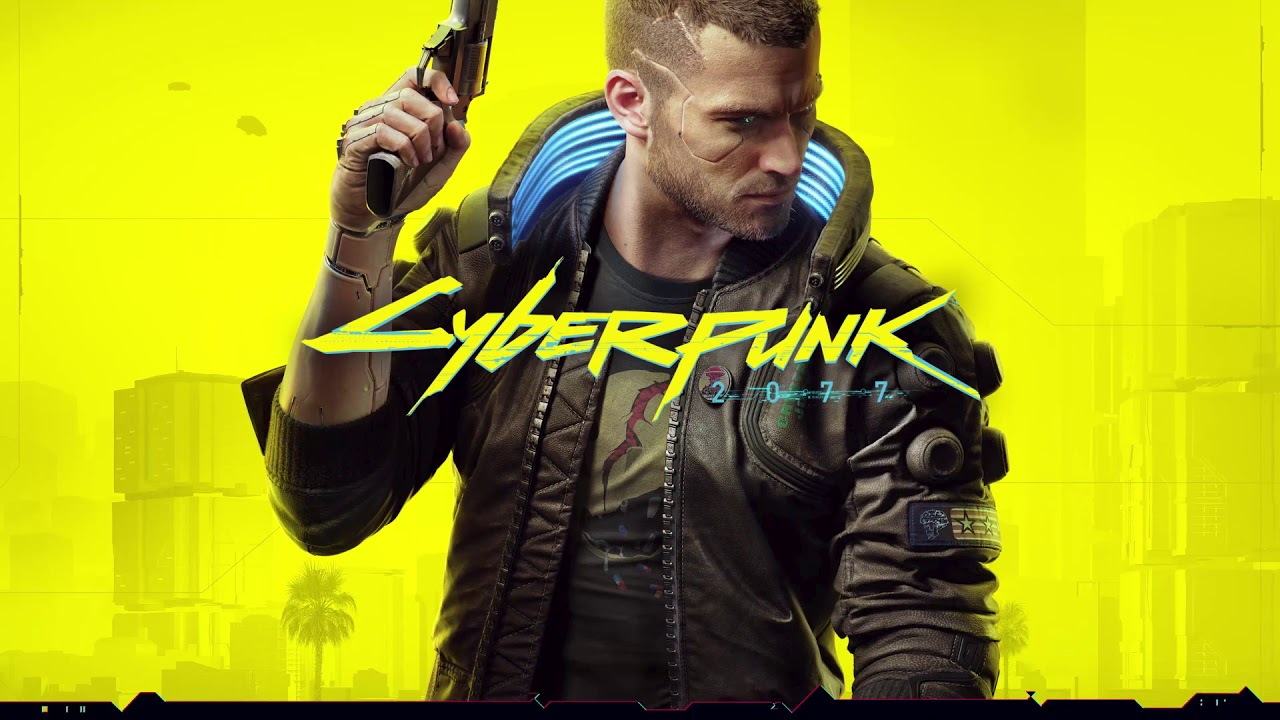
Cyberpunk 2077 is a role playing game (RPG) from CD Project Red, the same developers as The Witcher series. It had a rocky start but has since become a standout, particularly its immersive world, strong exposition and thought-provoking side quests.
Cyberpunk 2077 is a first person RPG using a similar ruleset and setting to the eponymous tabletop RPG. You play as V, a citizen of Night City, a pseudo-San Francisco or Los Angeles. V witnesses the murder of a megacorporation’s owner during a heist gone wrong. Forced to embed a stolen chip in his head while fleeing, V discovers it contains the personality and DNA of the long-dead rockstar and terrorist/freedom fighter, Johnny Silverhand. Now V must solve this mess one way or another before Silverhand takes over his body and mind.
Silverhand is V’s ever-present “lancer” and appears at pivotal moments to provide his perspective. While his self-confidence and aloofness give him superficial charisma, Silverhand is a self-righteous, narcissistic psychopath. You must decide whether V agrees with his single-minded anti-corporation and anti-establishment views, sympathizes with his deeply buried vulnerability or finds his incessant criticisms grating.
Just in case you missed the copious marketing for Cyberpunk 2077, Keanu Reeves provides Johnny Silverhand’s voice and likeness. Silverhand is the opposite of Reeve’s usual humble, softly spoken and slightly vulnerable protagonist. This typecasting sometimes detracts from Silverhand’s intended purposes: a constant reminder of V’s impending doom and a skewed moral compass fitting for an immoral setting.
Mechanically, Cyberpunk 2077 plays like most other RPGs and combines the best aspects of others. Cyberpunk 2077 uses a Witcher 3-like vision mode to scan for clues or interactable objects. The hacking and stealth feel like Deus Ex, although without the omnipresent paranoia. While it lacks police chases, it has the car driving and theft of Grand Theft Auto. “Braindances”, replaying people’s experiences, are similar to watching three-dimensional recordings in Tacoma.
The character advancement options can create unique or, in most cases, derivative characters, from stealthy, handgun-wielding assassins like John Wick to muscled, baseball bat- and minigun-wielding tanks like Arnold Schwarzenegger’s Terminator. Higher-end abilities are potent, fueling power and dominance fantasies.
Cybernetic augmentation is also vital. V starts with basic enhancements such as eyes that can zoom and a computer in his head to view mission briefings and act as a mobile phone. Early enhancements provide additional bonuses while later ones grant new forms of movement, powerful weapons or other surprises.
However, Cyberpunk 2077 goes much further. Cyberpunk 2077 uses cybernetics as a powerful exposition tool in a world where technology surpasses flesh and suppresses individuality. The alien-like dehumanizing enhancements to members of the Maelstrom gang, near interchangeable golden-skinned hotel attendants or the subtle, fashionable enhancements of the elite instantly communicate much about other characters without unnecessary dialog or explanation. Think clothes that you cannot easily change.
The residents of Cyberpunk 2077 even have slang for cybernetics: chrome. It has other jargon, too. People have “chooms” instead of buddies, pals, mates or bros. Only “gonks” (idiots) would rely on “deets” (details or information) that are not “preem” (premium or good). You get paid in “eddies” (eurodollars). The copious voice-acted dialog weaves them into conversations allowing players to infer their meaning and connotation.
Cyberpunk 2077‘sworld-building is broad and deep, and the internal consistency adds realism and believability. The frequent in-game news bulletins, for example, portray a dystopian, corrupt, technologically-dominated future similar to Robocop or Blade Runner. Amidst constant and desensitizing advertisements, radio and TV personalities openly call out the elite’s hypocrisy and power games while relishing the schadenfreude. In-game tobacco advertising has warnings probably only to comply with real-world laws.
The writing continually enforces the setting’s hypercompetitive and unforgiving nature. NPCs and factions have separate and consistent motivations, and V is usually just a tool for their advancement. A small child says your boxing opponent killed their father. Is it true or just a ruse to increase her betting earnings?
The layers of Night City’s neon lights distract from the copious, uncollected trash. The metaphor reflects how the razzle-dazzle barely hides society’s underlying malaise.
Even V’s little flat has no kitchenette. Instead, there’s a vending machine peddling whatever junk food the corporations of the moment deem fit while advertisements sprout insincere warnings about eating organic food.
Cyberpunk, as a genre, has always been more than an aesthetic or bucket for near-future science fiction. It is an avid social commentator, warning that compassion and ethics must bound and guide progress.
Cyberpunk 2077‘s world takes the ideals of right-wing political groups to absurdity. Guns are so prevalent that you can buy plastic, disposable ones from vending machines. The government merely provides services that corporations find unprofitable. Laws exist not to serve or protect society but as blunt instruments of the powerful or as proxies for corporate wars. Society is increasingly stratified. Eighty hour work weeks and forced cybernetic enhancements are considered reasonable. The natural environment crumbles, a necessary price for technological advancement and profit. As one in-game shop owner laments, open expressions of sexuality are considered a social menace, but we must accept murders on every street corner.
The world of Cyberpunk 2077 is different enough to the real world to avoid direct comparisons but is close enough for commentary to be relevant. Its cars are a good example. While there are analogs to real-world brands, all the makes and models are different. Many have a single headlight or brake light and no seatbelts, minimizing safety features to reduce cost or maximize aesthetics. Their barcode-like number plates are for computers to read, not humans. Cars lack indicators, showing a lack of empathy.
Cyberpunk 2077‘s setting is faithful to the 1980s roots of its genre. For example, Japanese corporations were ascendant in the 1980s. Many in the USA feared the conquered would become the conqueror, like in the second Back to the Future movie, and Cyberpunk 2077′sAsaka megacorporation realizes this.
However, some predictions diverged from subsequent real-world advancements and trends. Instead of adding credibility by incorporating forecasts of the future, these now further segregate the game’s setting from reality. Paper magazines with animated pages, for example, hijacked something familiar in the eyes of someone from the 1980s, showing technology’s subtle and insidious progression. However, paper magazines are becoming anachronisms, replaced by purely electronic versions. Much of the Cyberpunk 2077‘s music is 1980s-like electronic and synthpop and not the more urban hip-hop.
Thematically, Cyberpunk 2077‘smain storyline deals with questions of identity and legacy. V has to work out what to do with his (or her) remaining time. Does V go for one last grand heist, allow Silverhand to finish what he started or choose quiet life while still V? Does V rebel against a world where individuals rarely affect meaningful change, finding value in the attempt and the lives touched along the way? Multiple endings provide V with some choice about how to answer.
Beyond the unique premise offered by the setting, the storyline is suitably grand. It is unmistakably cyberpunk and could not exist in any other genre. Each step provides satisfying answers and more yearning questions. It does not always follow the “show, don’t tell” rule of storytelling, but that is more of a guideline.
However, Cyberpunk 2077‘s numerous side quests are far more interesting. For example, the series of Delamin quests deal with artificial intelligence (AI), what rights it has and how it interacts with humans. If an AI creates a copy of itself, are the two copies still one individual, or are they parts of the whole? In the game, AI has displaced many traditional human-only roles like writing novels or fashion design. Should humans fear what AIs can become?
Another recurring but subtle theme is religion and spirituality. It can be a dangerous subject, potentially offending many. However, Cyberpunk 2077 is a world where braindances provide visions as vivid as any religious miracle, moral guidance is greatly needed, and technology offers salvation more tangible than any deity’s promise.
The Sinnerman quest line is the game’s most confronting. A prisoner sentenced to death finds religion. He elects crucifixion and wants his experiences recorded as a braindance for fellow Christians to experience or endure. In a setting with commonplace and fetishized violence, this moment drove introspection more than any other in the game.
Meanwhile, a neon billboard shows a Jesus-like figure but wreathed with network cables instead of a crown of thorns. Do you want to confess your sins? Just visit your nearest automated “Confession Point” vending machine. Buddhist monks ponder whether virtualizing people is compatible with reincarnation or whether an AI can suffer. Tarot cards and imagery not so subtly steer V. AIs are god-like in their stature, facelessness and echoing voice.
Following the RPG trend, V has companions that provide side quests and potentially lead to romance options. Different companions fulfil different sexual orientations, including one that is trans, supporting modern sensibilities and inclusion.
However, some of the impactful companions share genuine vulnerability, contrasting with the setting’s uncaring and brutal reality. Letting kids win at an augmented reality shooting game, for example, has a delightful mundanity and affection that contrasts with the setting’s cynicism.
Cyberpunk 2077 has its share of imaginative and novel quests and environments. One involves SCUBA diving in a flooded town while reminiscing about the displaced inhabitants. You can ride a roller coaster, pilot a tank or riff a guitar solo while playing in a band.
References to other cyberpunk and science fiction media abound, showing light, fourth-wall-breaking humour. You can purchase Kaneda’s red bike from the anime Akira or the Rolls Royce-like FAB 1 from Gerry Anderson’s Thunderbirds. You can find advertisements for mnemonic couriers, similar to Keanu Reeve’s Johnny Mnemonic. The famous “tears in rain” quote from Blade Runner is a memory in the columbarium. One quest pays homage to Portal, using GLADoS’s voice actor and lines. The “baby in a bottle” from Death Stranding appears, and there is even a dig at Star Citizen‘s long development time.
Graphically, Cyberpunk 2077 is beautiful, particularly with ray tracing. I took screenshot after screenshot as the cyberpunk genre’s requisite neon signs and holographs dominated the skyline. Bright lens flares are common enough to make Michael Bay jealous. The sparse but hardy vegetation and red earth of the hills outside Night City resemble postcards of the US midwest. Rain is wonderfully dreary and leaves humble, reflective puddles.
Cyberpunk 2077 uses a “film grain” effect and vignette over its visuals. Like the gold filter used in the Deux Ex series, this effect makes the game visuals distinctive and slightly unreal. It also helps cover a few errant pixels caused by NVidia’s DLSS or similar compromises for the more demanding ray tracing.
The main criticism of Cyberpunk 2077 was the bugs present at the launch. Some were meme-worthy and game-breaking. These problems are common in the industry, especially in large, open-world RPGs or anything developed by Bethesda. However, recent updates have vastly improved Cyberpunk 2077’s quality, and my 100-hour playthrough starting on version 1.3 was practically glitch-free.
Some feel the sidewalk-infesting crowds should be persistent or that they add unnecessary clutter. Previous games eschewed clutter to reduce rendering costs and highlight the environment’s important parts. However, along with the omnipresent neon and holographic signage, the game intentionally visually assaults the player. It takes time in Cyberpunk 2077 to mentally adjust and filter out the noise of Night City, just like its inhabitants do.
Others complain the setting is unrealistic, a caricature of near-future USA. For example, the populace would rebel against corporations or that the claimed murder rate is higher than the birth rate. Debating sociology or economics is beyond the scope of this review. However, the setting provides opportunities where no one is uniquely or consistently good or evil, creating opportunities to side with or against anyone. The setting’s details are intentionally vague, meaning realism can be hand-waved or retrofitted if needed.
Similarly, the world of Cyberpunk 2077‘s technological inequality means MacGuffins and opportunities are plentiful, but society is still familiar. For example, the head of a megacorporation could live forever, while most live regular if not brutal lives. Meanwhile, the asymmetry offered by hacking allows a prodigious youngster to threaten the same megacorporation.
Some criticize the game’s mechanics as shallow. For example, having crimes without pursuing police or car chases feels unrealistic. However, this does not materially harm the game. It only means Cyberpunk 2077 is not Grand Theft Auto. People would have loved to see working trains for a deeper immersion. However, the development effort required is likely not worth the minimal increased sales or goodwill.
The sizable modding scene already addressed issues like police chases and working trains, anyway. Like Skyrim and other RPGs, many strive to fill the gaps or improve the game.
The most significant criticism I had was the awkward keyboard and mouse controls for driving. However, the racing side quests are forgiving, crashes are only minor annoyances, and you eventually compensate for the poor control scheme.
Like many long RPGs, Cyberpunk 2077 is a game you stop playing rather than merely complete. A game this long and involved becomes familiar. Leaving it is like ending a beloved television series.
CD Project Red has faithfully recreated the table top RPG’s setting in both form and spirit. It is fertile ground for many more engaging stories and insightful commentaries about modern social, economic and technology trends. It is a pity that Cyberpunk 2077‘s initial launch was so poor. Many will only recall the game’s early failures and not its world and potential for so much more.
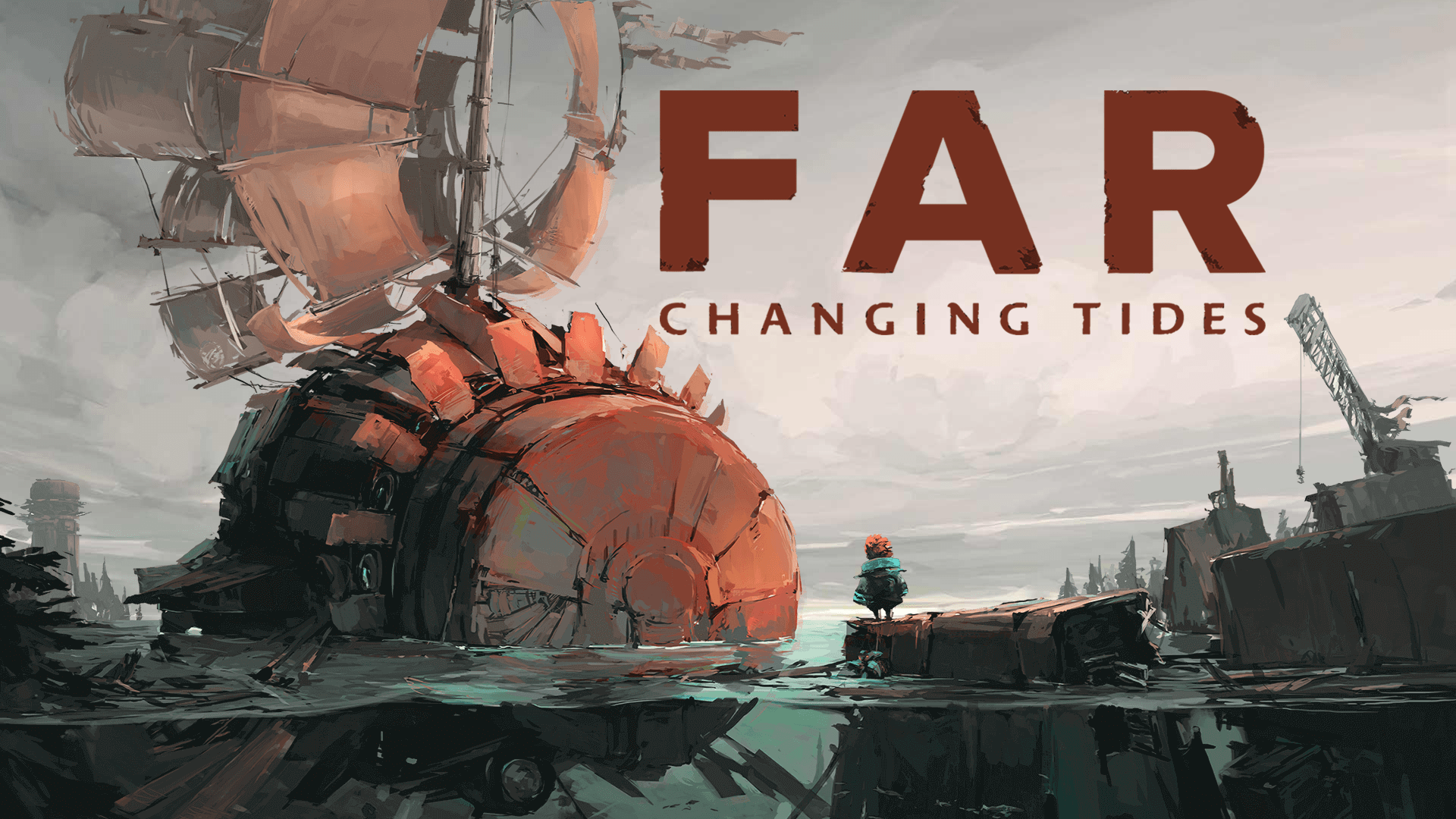
FAR: Changing Tides, a casual puzzle platformer developed by Okomotive, is the sequel to the popular FAR: Lone Sails. Set in the same world, you play a child on a sea journey whose purpose gradually reveals itself.
Most of the game’s controls and puzzles are straightforward and deducible by trial and error. Buttons or actionable items have a distinctive cyan colour and, later in the game, yellow lights direct the player’s focus. While movement feels unrestricted, most areas present only a few actual options to the player. Getting stuck is usually caused by insufficient exploration or wrong assumptions. “Breaking” a puzzle or losing required items is impossible.
The puzzles’ goals are usually progression, usually travelling from left to right. However, sometimes solving puzzles improves your ship, such as adding an engine or a new mode of transport. Sometimes they hint more about the world, such as revealing a diorama or a painting.
The game is short, containing about five to six hours of playtime. While that may dissuade some from its undiscounted price, the design of FAR: Changing Tides is economical and efficient. Mechanics are introduced, practised then the game moves on without overdoing them. Lengthening the game would not necessarily have made it better.
As with the previous game, FAR: Changing Tides separates puzzle areas with long stretches of travel. Your ship’s controls are puzzles themselves, like tacking the sails against the wind or powering the engine. Once the controls are mastered, these travel stretches give you short breaks, temporarily immersing yourself in the world via the backgrounds and soundtrack.
FAR: Changing Tides tells its story by implication and subtle reference. The flooded world drowned humanity’s cities and towns, but the strewn detritus shows the flood’s ferocity and suddenness. The unnamed protagonist encounters no living humans, only hints of their existence.
FAR: Changing Tides continues the retrofuturistic “dieselpunk” feel of FAR: Lone Sails, putting 1930s through 50s aesthetics on advanced technology. Desaturated colours and dull, rendered plaster buildings are typical of that era and make the world feel bleak. The rusting carcasses of humanity’s leviathan mechanical creations dot the landscape. Some are almost organic, and you can hear a faint heartbeat when nearby.
This desolation contrasts with the game’s naturalistic moments. Nature continues. The deer, birds and sea life are oblivious to your and humanity’s struggles. Glimpses of bioluminescent jellyfish or rays through your ship’s glass bottom or distant whales are wondrous moments.
FAR: Changing Tides, as implied, is about the younger generation reacting to contemporary issues like climate change. The protagonist is a child, forced to undertake a journey to build a better life. He or she finds toys like wooden stags, music boxes and stuffed ducks but cannot play with them, forced to grow up early to confront older generations’ hubris.
The protagonist demonstrates how the newer generation views the world. He or she does not blame technology – it is unclear in FAR: Changing Tides what caused the flood. Technology is something the new generation masters early and is vital to survival. The ship even looks like one a child might draw. The ending shows the new generation’s focus on each other and subversively ties it back to FAR: Lone Sails.
However, FAR: Changing Tides could have appealed to our senses more. While the game’s engine has moved from predominantly 2D to wholely 3D – and shows it off at the end – much of the extensive backgrounds are simple and blandly textured. The developers are going for a stylized, cheap-to-develop aesthetic. However, desaturated does not mean uninteresting. The soundtrack adds emotion and context to otherwise empty moments but lacks memorable motifs or consistency.
The casual puzzle platform genre also has limits. Its puzzles are too simple for someone wanting a challenge. The storytelling is too subtle for those looking for clear themes. Experienced gamers enjoy these short diversions but the gaming landscape continues to expand and diversify beyond puzzle platformers.
That said, FAR: Changing Tides is a worthy successor to FAR: Lone Sails, developing its novel vehicle operation mechanic enough to feel different but still comfortable. Those looking for a casual but not overly taxing game will enjoy it, especially if you fondly remember FAR: Lone Sails.
Raised by Wolves is a science fiction drama series developed by HBO and streamed on HBO Max. Famously proposed by Ridley Scott, it was intended as an introspective, almost arthouse masterwork.
The show’s premise is two androids, Mother and Father, crash land on planet Kepler-22b. They are atheists, fleeing an Earth ravaged by a war between atheists and the Mithraic, worshippers of the deity Sol. The androids carry human embryos, intending to start afresh. The first season opens as Mother, Father and Campion, their one surviving child, juggle the impending arrival of the Mithraic ark, survival and learning the mysteries of their new world.
Early episodes of season one establish the characters and the bleak but not inhospitable world. The later episodes focus more on the Mithraic and emerging mysteries. Flashbacks expand characters’ backgrounds, such as Mother’s interaction with her creator, and develop the setting. The second season introduces an atheist ark.
While there is a large ensemble cast, Raised by Wolves focuses on three main characters: Mother, Campion and Marcus, an atheist who replaced an ark crew member to escape Earth. Each is the focus of a theme.
Mother explores the ethics of artificial life, along with Father and later Vrille and Grandmother. She struggles with the human demands of raising children and defending atheist beliefs and her in-human capabilities as a necromancer, a military android impervious to most weapons and capable of gruesome and graphic destruction. She is the target and instrument of humanity’s negativity. Most humans see androids as disposable tools in Raised by Wolves. However, Mother has the firepower to demand respect.
Mother also contrasts with Father. They invert the stereotyped sexual roles, unlike Marcus and his partner. Mother is the protector while Father is compassionate. She is single-minded and devoted to the atheist cause. He is more pragmatic. Both actors give great performances, personifying a slight unease amongst humans without the autism-like portrayals of yesteryear.
Campion explores self-determination. Without the biases from old Earth, Campion views Mother’s atheism and the Mithraic religion with fresh eyes.
Campion is inclusive, as expected by contemporary culture. He eventually admires the Mithraic optimism and dedication but rejects their exclusory dogma. He concludes androids have souls and deserve an equal place with humans in society, although the story arc with Vrille feels superficial and rushed.
Marcus follows the most circuitous route, exploring the impact of blind faith and the dangers of relying on things you do not understand. Raised as a child soldier, Marcus’s experience and trauma always emphasized pragmatism and survival.
After arriving on Kepler-22b, Marcus is subject to apparently religious revelations and visions. Unprepared, he succumbs and villanizes Mithraism. We slowly learn the mysterious force guiding him may not be coherent or benevolent, mainly by looking through his eyes.
All three characters explore the meaning and implications of family. Whether it be Campion’s relationship with his android “parents” or Marcus’s love for his adopted child, the characters constantly weigh up competing demands. Mother and Father have similar goals but their different approaches drive tension. It shows how parents’ histories impact their children but also childrens’ resilience.
Unfortunately, while introducing many wonderful opportunities to examine these themes, Raised by Wolves comes to few conclusions or answers. The resolutions are either driven by short term goals like survival or complicated by the wider deus ex machina.
Raised by Wolves relies heavily on symbolism and imagery. However, the show avoids offence by not veering too close to any real-world religion or entity and keeping references varied.
Abrahamic religious symbolism is frequent, like serpents, virgin birth, resurrection, the tree of knowledge, the ark concept and Mother’s crucifixion-like flying pose. This imagery gives the show a tinge of credibility and biases our initial reactions subtly, particularly Western audiences.
Other references invoke a romanticism for myths and legends. Mithraism was a religion observed in the Roman Empire before Christianity, and Sol (the sun) was one of its deities. Mother feeding her embryos is reminiscent of a wolf feeding her cubs. This is just like the mythical founding of Rome, where a she-wolf suckled Romulus and Remus, and is a direct reference to the show’s title.
Lamia, Mother’s other name, is the name of a child-eating monster from Greek mythology, and who could also remove her eyes. This dichotomy questions Mother’s motives, especially as she makes a few dubious decisions in season one.
The use of symbolism goes on. The message cards left by ancient humans are traditional symbols of chance or luck. Mithraic vehicles and clothing are always white, a colour of purity and good contrasting with its genocidal view of atheists. The Mithraic dodecahedron is more reminiscent of science fiction, reminding us this is futuristic.
The technology in Raised by Wolves is also magic or mythic, capable of creating life-like human androids, holographic displays, exhaustless flight and immersive, realistic simulations. Interaction is through voice or hand gestures. There are no buttons, dials or switches and nothing mechanical like gears, levers or wheels. Even medicine is automated. Technology falls into the “uncanny valley”, where objects are recognisable but unusual enough to be unsettling. Its presence constantly removes the characters from the present day.
Raised by Wolves is a stream of “Genesis moments,” as if humanity is playing God by creating and manipulating life. Technology in Raised by Wolves is almost organic, like androids’ fuel blood, the internals of the Trust or repairing Grandmother. No character is a technology expert. While it can be damaged or destroyed, the show’s technology does not need regular maintenance. When we see repairs, they are done by a medic, not by a technician. Perhaps humanity’s utilitarian view of its life-like technology mimic’s the entity’s view of humanity.
Unfortunately, both seasons sometimes seem directionless. The character interactions and world-building consume a lot of screen time. In a world where Raised by Wolves’ contemporary shows demonstrate strict economy, Raised by Wolves either gets frequently distracted or focuses on seemingly less important or relevant points.
Raised by Wolves also abuses strawmen arguments by asserting that atheists would always create new gods to follow, like the Trust in season two. Rather than being a benevolent dictator, like the minds of Ian M. Bank’s Culture series, the Trust is manipulative and insincere. Without the Trust, the second season depicts atheists as ill-disciplined rabble and incapable of populating a new world. Perhaps the writers wanted to be even-handed, but they missed the mark if the writers intended metaphors for real-world religious conflict.
It is almost as if Raised by Wolves is a future Mithraic bible dramatization. It deemphasizes details the unseen author feels unimportant and focuses on parables to emphasize subtle points of wisdom.
Raised by Wolves frustrates me. It deals with relevant, timely themes in a novel setting that allows safe exploration. However, the sometimes meandering plot, reliance on strawman arguments and situational conclusions mean it does not realize its potential. Perhaps there is more to come, which will tie it all together, or its point is there are no easy answers to difficult questions.
However, Raised by Wolves excels at promoting thought. The symbolism and imagery are deliberate and the layers deep. I find myself constantly reevaluating what I watched. Maybe its real achievement is promoting discussion into its real intent and meaning via our introspection.
Star Trek: Lower Decks, an animated series available on Amazon Prime Video and Paramount+,is Star Trek’s attempt to tread the well-worn path of self-deprecation. It pokes fun at the seemingly pretentious and self-important Star Trek: The Next Generation and Star Trek: Deep Space Nine era.
Other recent Star Trek shows like Discovery or Picard have leveraged technology to create gorgeously detailed ships, photo-realistic sets and better special effects. However, Star Trek: Lower Decks’ simple animation style does the opposite, making it disarmingly accessible for an audience that still considers animation a vehicle primarily for children or comedy.
Similarly, while those with a comprehensive recollection of the earlier series will find many subtle and humorous references, Star Trek has permeated the Western cultural consciousness enough for most to understand the settings and premises.
Star Trek: Lower Decks segregates itself from the franchise’s previous incarnations from the first scene. The credits, replete with the characteristic blue font on a starry background and brassy theme song, show an uncharacteristically unheroic U.S.S. Cerritos fleeing danger or screwing up. A star fleet ensign drinks blue Romulan whiskey when on duty, “lampshading” that it is not the cannon green Romulan ale.
Star Trek: Lower Decks is not about “boldly going where no one has gone before”. The U.S.S. Cerritos, Spanish for an uninspiring “little hills”, does routine and less glamourous “second contact” missions. The main characters are not on the glamourous, charismatic and high-stakes bridge crew but the ensigns who perform thankless, routine maintenance and sleep at the ship’s rear.
The show humanizes the crew by focusing on flawed but relatable characters. We follow Boimler, who is bookish and obsessed with promotion. Tendi is a naive but optimistic and brilliant scientist working in medicine. Rutherford is an engineer who genuinely loves his work, oblivious to all else.
However, Mariner steals the spotlight. She is a skilled Starfleet officer but constantly rebels, whether by the subtle rolled-up sleeves, smuggling contraband, or openly disobeying orders.
The writers intended her to represent experience and savviness chaffing at Starfleet’s rigidity and regulations. She yawns at mission briefings and breaks more rules than she follows.
Perhaps Star Trek: Lower Decks is trying to be relatable and say that there is still a place for the rest of us in a franchise full of over-achievers. Talent and intelligence are nothing without wisdom and cunning.
However, Mariner is hardly an underdog. Her uncanny ability puts her on a level above most and the U.S.S. Cerritos’ captain protects Mariner from any real consequences of her actions, tacitly glorifying her insubordination. These threaten to change her character from a relatably cool rebel to an unbelievably competent “Mary Sue”. Why create such a character?
Star Trek: Lower Decks is all about status. Are the privileges of rank deserved? Is there a pecking order between those of the same rank? Would Starfleet be a strict meritocracy, as cannon implies, or would the attractive and charismatic but less able rise to the top?
Mariner constantly exposes and stresses the established hierarchy. For example, she practically ridicules Boimler in the episode “Envoys”, showing savviness beats knowledge. However, the Riker caricature first officer humbles her in the following episode by showing unforeseen skill and wisdom.
Mariner is the antagonistic foil to the other main characters. She berates Boimler for his bookishness and insecurity, is the pessimist to Tendi’s optimism and the leader to fill Rutherford’s vacuum of purpose.
Unfortunately, Mariner’s role sometimes lessens the show with too much unresolved and unnecessary interpersonal drama. She constantly dismisses her competency and, by doing so, others’. A good example is Mariner revealing she actually listened to the mission brief in the episode “Moist Vessel” (an unnecessary double entendre that will elicit an immature giggle from the intended audience) when she saves the day after arguing with the captain most of the episode.
The first series tries to give some thematic insight, such as dealing with the ecological and social implications of destroying an errant moon in “Cupid’s Errant Arrow”. However, the first series’ pacing and structure draws more from sitcoms, focusing on irony and absurdity, and lacks Futurama’s satireor Orville’s heart.
Sitcoms rely on characters remaining consistent and avoiding change. However, stagnation frustrates. Mariner’s relationships and past need confronting. Boimler needs to grow past his insecurities into the officer he aspires to be. Tendi needs the self-confidence to realize her brilliance. Rutherford requires the self-awareness that he is more than an excellent engineer.
Thankfully, characters start to develop in the second series. Boimler gets his revenge for “Envoys”. Rutherford and Tendi gain respect and leadership opportunities. The ensigns are paired differently, showing different parts of their personalities. Mariner relaxes from the constant antagonist role.
The second series also examines its source material and themes more closely. It contrasts the U.S.S. Titan’s bravado and militarism with the U.S.S. Cerritos’ dedication and determination, mirroring Starfleet’s identity crisis. It depicts the Pakleds as both comically naive and dangerously unpredictable, a brilliantly relevant and thematically helpful portrayal. Appearance and charisma lose out to effort and ability in “wej Duj”. The final episode cleverly contrasts the “Lower Decks” experience for crews from different races.
The highlight vocal performance is Jeffery Combs as Agimus in the episode “Where Pleasant Fountains Lie”. The actor who portrayed Weyoun in Star Trek: Deep Space Nine and Shran in Star Trek: Enterprise shifts effortlessly between menace and insincere manipulation.
The best thing about Star Trek: Lower Decks is thatit treats the franchise with both satire and respect. Star Trek has always been slightly absurd, where crew members are as likely to die from a Klingon Bat’leth as sentient ice cream. Unlike other Star Trek shows, Star Trek: Lower Decks leverages this absurdity to tell refreshingly different stories from different perspectives.
Star Trek Picard, or just Picard, is a science fiction series streaming on Amazon Prime. Its premise is that the Romulan star threatens to go supernova and destroy the Romulan homeworld. The Federation offers to help and constructs a fleet of transports to resettle the populace. This offer would save the majority of Romulans and potentially heal the animosity between the Romulans and the Federation.
Of course, things go awry. The transport ships mysteriously attack the Federation shipyards on Mars, destroying the transport ships and means of production.
So far, so good. It is a galaxy-impacting event worthy of the Star Trek brand and the eponymous now Admiral’s attention. The series also weaves in questions around the ethics of synthetic life, something suitably contentious.
However, the series immediately deviates from expectation. The galaxy blames the Federation for its woes. It forgot the supernova or that the Federation was also a victim of the attack. Far from showing its skill in diplomacy, compassion and problem-solving displayed during almost every Star Trek season and episode, the Federation turns inward and tacitly accepts the blame.
Jean-Luc Picard sulks in his chateau for fourteen years rather than showing the stubbornness and ingenuity evident throughout Star Trek The Next Generation (TNG). Instead of getting a ship or helping, something that takes a single call at the series’ start, he abandons both his cause and crew.
Even when Jean-Luc Picard returns at the series’s start, he is oblivious to his charisma, unwillingly tormenting characters like Raffi and Elnor. He forgets to respect and be patient with others, even scoring points with Federation Admirals when the old Picard would think strategically, building a trusting relationship.
Perhaps the writers felt a seemingly perfect character needed a fall to develop. It is hard to improve perfection. However, Picard’s blinkered self-righteousness endangers any pathos.
Meanwhile, examining synthetic life’s ethics promised much. Star Trek has a history of exploring what makes us human. The original series contrasted emotional humans with Spock, the logical Vulcan. TNG had Data. However, the series reduces synthetic life to a MacGuffin. The series would have lost little by substituting an alien race or a unique technology.
Picard, the series, wants to be the gritty, dark Star Trek for the new millennium, where we see every leader and public institution in shades of grey rather than the more straightforward “black and white” of yesteryear. Heroes tire from the impossible standards to which others hold them, and their faults are laid bare. The hopeful patience of the Federation has waned, as seen in other series like Discovery.
By contrast, while the almost perfection of TNG characters was unrealistic, TNG presented an aspirational version of humanity. While TNG often dealt with ethical issues superficially, it introduced them to a broad audience. While humanity faced challenges, TNG’s underlying themes were always positive.
Instead, this series seems obsessed with fan service. It provides a touching farewell for Data. However, while seeing familiar characters helps rekindle parasocial relationships, their age also shows the thirty years since TNG finished. TNG and the subsequent movies were fun and much loved. However, time moves on.
When not lounging in nostalgia, the series gets endlessly sidetracked. Picard’s companions invent gravitas in each episode by a rushed flashback, then deal with it by boarding themselves in their quarters to brood. Of course, they briefly exit their stupor to perform plot-dictated tasks.
Each character deserves more screen time to develop organically and subtly. Alternatively, consolidate characters. The writers could have combined Rios with Raffi or Jurati, for example.
Despite the complaints above, the series is enjoyable. The plot weaves unpredictably, taxing the viewer just enough, and leads to a suitable climax. The acting and special effects are what you would expect for such a series.
Patrick Stewart portrays perhaps his most memorable role well. His deep, resonant voice and slightly-British accent give him a disarming, reassuring authority and grandfatherly charm. However, Stewart appears awkward when expressing genuine emotion, like during the Raffi and Elnor character arcs. Picard’s emotions are most impactful when understated.
The series is at its best when dealing with the psychology and ruthlessness of Romulans. The early, slow-burn mystery is enticing. The series finally shows the terrifying potential of the Tal Shiar, the Romulan secret police.
However, the test of a work is whether it stands on its own. Remove the fan service and nostalgia, and I wonder whether anyone would have produced Picard. Add potential misinterpretation of or disrespect to its source material, and you have a contentious, polarising series.
The trailers for season 2 appear to continue the nostalgia trip, revisiting the “fish out of water” time travel trope from the admired movie Star Trek IV: The Voyage Home. Perhaps I am old fashioned, but the producers are treading dangerous ground.
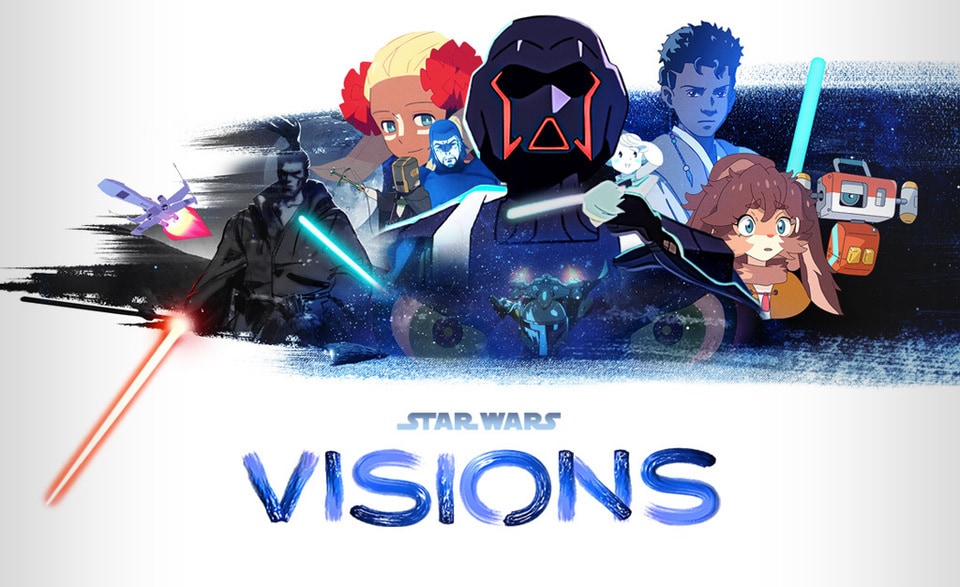
Star Wars: Visions is a series of short Star Wars-themed animations created by Japanese studios. It continues the rise of anime in Western culture and examines a beloved franchise through different eyes.
Not surprisingly, the episodes show a strong Japanese influence. Jedi ronin fight with lightsabre katanas or wakizashis. Fights embody arguments around ideals and purity. The environment mirrors the story’s mood, such as the foreboding rain in The Elder or lifegiving sunshine in TO-B1. The music uses characteristic flutes, strings and drums. Even the architecture and society in later episodes are distinctly Japanese.
However, the episodes are still unmistakably Star Wars. The Force and Jedi feature in every story, even if implied in Tatooine Rhapsody, and are almost overused. Sidekick droids are plentiful. Iconic star destroyers and X-wings appear although space combat is mainly absent.
Star Wars stories always centre around a human element despite the alien races and the untethering decrepit, rusting technology. Star Wars: Visions is no different, examining family in Lop & Orcho or The Twins or the coming of age in The Village Bride or The Ninth Jedi.
The niche audience also allows some episodes to stray from traditional Star Wars themes.
I enjoyed the protagonist’s moral ambiguity (and the almost monochromatic colour palette) in The Duel andtwists in Akakiri (meaning “red mist”). The Star Wars universe is known for balance. Does good always win, or is that just the way we tell the stories?
Tatooine Rhapsody’s premise is music can be as consequential and relevant as a Jedi. It would be laughable fan fiction if released stand-alone but contrasts other works in the compilation nicely.
The Elder deals with impermanence, a humbling and reflective theme. It is the opposite of Star Wars’ usual galaxy-shaking space opera.
Star Wars has traditionally bypassed biases or prejudices by removing countries or times – by being set “a long time ago in a galaxy far, far away”.
However, a few Star Wars: Visions episodes also consider current themes like environmentalism. Sometimes it subtlely shows the Jedi religion’s animist roots, such as in TO-B1 and The Village Bride. Sometimes it underlies a political or economic divide, like in Lop & Orcho. Referencing a passionate and current political and cultural theme threatens to break the disarming isolation that Star Wars enjoys.
The California-style alternative rock in Tatooine Rhapsody threatens the same reassociation. Music in Star Wars has always been passive, like the cantina scene in A New Hope, or foreign to western ears, like The Hu‘s theme to the game Star Wars Jedi: Fallen Order.
I enjoyed The Ninth Jedi the most. Its story weaves many subtleties, like Kara destroying the pursuer’s speeder bike but leaving the rider unharmed or the chilling danger revealed by the blue colour of Ethan’s lightsaber.
The shadow of famous anime casts long over some episodes. TO-B1 is very like Astroboy, with the Dr Elephant-like father figure and a naive boy robot protagonist with a heart of gold. The Twins has a strong Kill-la-kill vibe, with its loose and exaggerated animation style, casual and metaphoric destruction and focus on siblings.
I hope to see more nuanced and cerebral content like Star Wars: Visions revitalising and expanding the franchise. Japanese cinema and folklore famously inspired George Lucas. A Japanese perspective on Star Wars brings it full circle.




 The Single Player