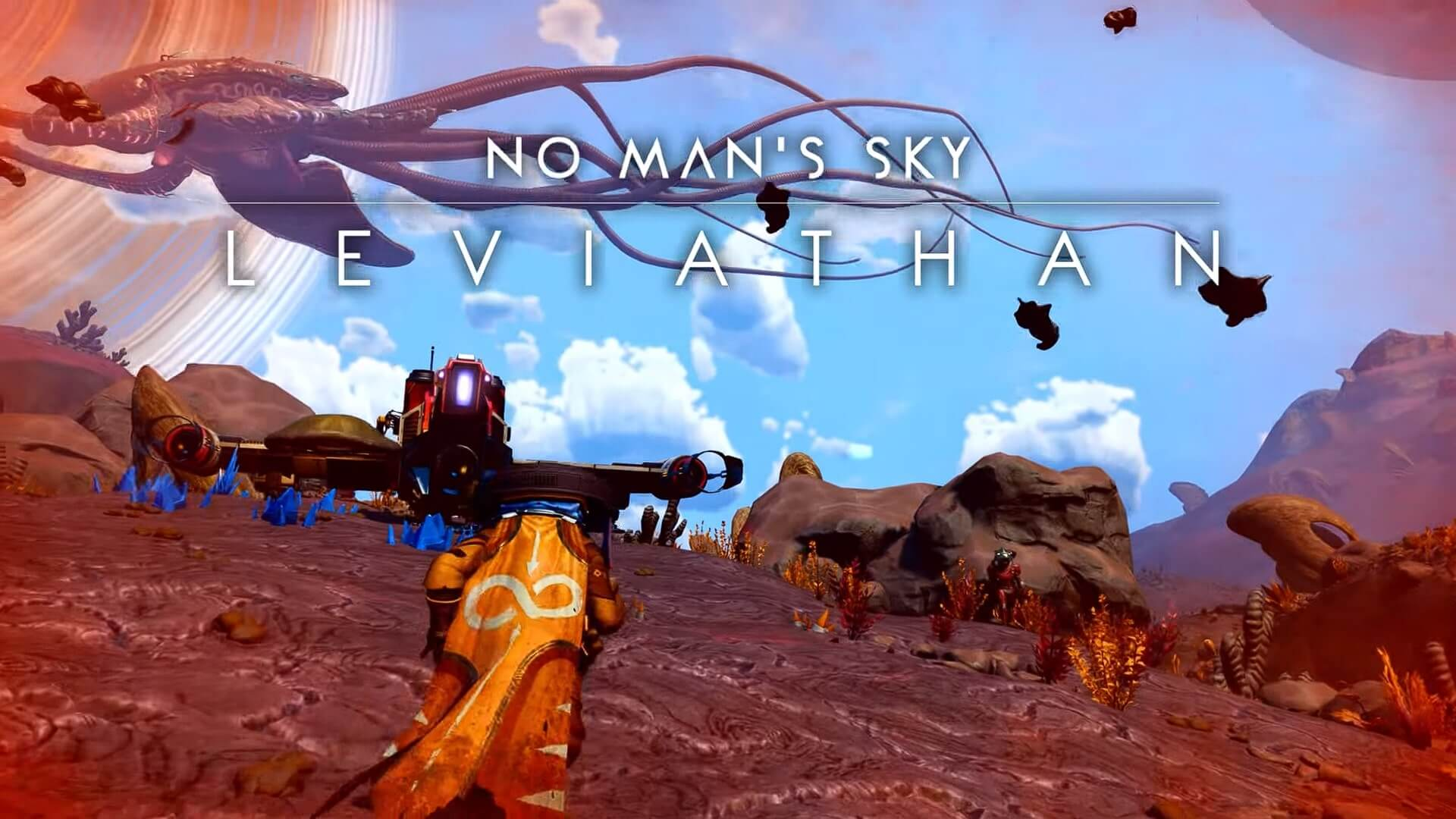
No Man’s Sky, the survival crafting game developed by Hello Games set in a colourful, massive and procedurally-generated universe, has been around for many years. It is long enough for many to have completed its main storyline and fully explored its mechanics.
However, this is where “expeditions” come in. An expedition is a free, temporary game mode with a new storyline with altered mechanics. It is like playing a modded version of the game but with full support from the developer and only available for a limited time.
The current and seventh expedition, “Leviathan”, has five phases, each comprising eight goals. Some goals are story-focused, usually travelling to a point on a planet or using a crafted item. Some are mechanical, like collecting rare items, acquiring a pet or clearing a derelict freighter. A few are community-based and repeatable, encouraging players to help everyone.
Unlike the regular game, this expedition is rogue-like, meaning you start anew each time you die. You lose inventory, bases and upgrades. However, you can recover unlocked phases and goals, or “memories”, after restarting. Death is more a setback than a reset.
Leviathan uses survival mechanics. It limits your item stack space per inventory slot. Base building components require more salvaged data to unlock.
Leviathan is challenging. Most quest planets have dangerous conditions, mountainous terrain and aggressive sentinels. Pirate attacks are frequent when flying. Thankfully, completed goals give you the needed tools, such as a Minotaur exosuit and weapon upgrades, but you need the knowledge to use them or risk returning to the expedition’s start.
Progression is faster. Completed phases give copious new slots and almost overpowered upgrades. For example, I had multiple +10,000% scan bonus upgrades, meaning I earned millions of units for scanning one planet’s fauna, flora and wildlife.
These rule changes and restrictions focus the player toward the expedition goals and core mechanics of exploration and travel, not on the ancillary mechanics like base building. It opposed my usual playstyle of relaxed exploration, gathering, hoarding and occasional quest advancement, but it was a refreshing tone shift once I twigged.
The increased challenge is unusual for No Man’s Sky. For example, you can dogfight by pressing two keys: brake and fire. However, this expedition’s difficulty works because the rogue-like death mechanics are otherwise impotent. The expedition is aimed at a limited audience, looking for trophies, and not the broader, more casual player base.
Leviathan’s storyline examines themes of existentialism and the cyclical nature of existence. Story has never been No Man’s Sky‘s focus. However, it integrates well into the mechanics, reinforcing each other, and is consistent with the regular version of No Man’s Sky‘s storyline.
Expeditions like Leviathan invigorate No Man’s Sky, giving players something familiar yet novel. I tried out new weapons and upgrades and cleared a derelict freighter for the first time. Starting again with experienced eyes, accelerated progression and a different purpose is motivating and fun.
Beyond cosmetics, the reward for successful completion is a biological frigate for your freighter, the titular “Leviathan”. The community goals also encourage people to hang around, building a feeling of community.
No Man’s Sky‘s Leviathan expedition takes about fifteen hours to complete without external assistance, although a few goals may take longer if you are unlucky or unobservant. Old hands will find it rewarding. New players may find its challenges and rogue-like aspects unforgiving.
However, the best thing about expeditions is Hello Games’ continued experimentation, potentially leading to new game features. It also shows that Hello Games can keep delivering frequent, high-quality content for a six year old game without paid DLC. Like many of the No Man’s Sky‘s planets, Hello Games is almost unique. Let’s hope it stays that way.
The Book of Boba Fett follows the titular bounty hunter after The Mandalorian‘s second season. While fans will enjoy the Star Wars references, the series fails to reach the same heights as its predecessor.
The early episodes simultaneously tell two stories of Boba Fett trying to assert his new position as Daimyo amidst the turbulent criminal underworld of Tatooine and his escape from the sarlacc following Return of the Jedi.
The former story in the early episodes is more character- and scene-setting, reminding the audience of Boba taking over the throne once held by Jabba the Hutt on Tatooine. He saves Fennec Shand, who becomes his henchman and trusted confidant, and sets up the battle for the city of Mos Espa as the series’ central conflict.
The second story in the early episodes is more interesting, portraying Boba Fett’s messianic transformation as he escapes the Sarlacc pit, loses his armour, is rescued by Tuskan raiders then finds that saving others leads to acceptance and community. Amidst flashbacks of this father abandoning him on Kaminoa, he transforms from the ruthless bounty hunter seen in the original movies to someone that wants to free “his people” from the criminal warlords that rule Tatooine.
Unfortunately, this transformation is unconvincing. Boba’s past antagonistic actions, such as capturing Han Solo, and unsympathetic stoicism make it a hard sell. Even the symbolism of Cad Bane’s death, representing the end of the bounty hunter in Boba, lacks any credible build-up from earlier episodes.
The Book of Boba Fett is at its best when political complexities confront Boba. The slimy Mayor hiring assassins to kill Boba, talking his way out of it then double-crossing Boba again shows credible intelligence and cunning. The Pykes’ betrayal shows how ruthless and uncaring Boba’s opponents are.
However, the series often oversimplifies complex issues, making their plot points less credible. While Star Wars‘ fights have always been metaphors, the series assumes a 1930’s Batman-style naivety that Boba Fett can solve crime and poverty by eliminating all the bad guys. Enemies shown mercy suddenly and unrealistically become unshakably loyal, like Gamorrean guards, Krrsantan and the hoverbikers.
The series squanders chances at character development or insightful conflict. For example, Fennec Shand could have genuinely chaffed against Boba’s new, more benevolent direction, embodying the contrast with the unforgiving ways of a bounty hunter. Boba’s enemies could have offered her a considerable incentive to betray him, driving tension to the decisive moment. Instead, the character serves merely as a competent fighter and source of exposition.
The Book of Boba Fett compares unfavourably with its predecessor, The Mandalorian.
Djin-Darin, the main character from The Mandalorian, is more sympathetic than Boba Fett. Both are armoured orphans. However, Djin-Darin’s armour hid his mysterious identity, while Boba’s was merely a tool. Djin-Darin battled for acceptance against a seemingly unfair creed, a code of honour that Boba lacked.
Both series deal with the noble theme of protecting the less fortunate. The Mandalorian brought that to the cute and relatable Grogu, a triumph of character design that appealed to parental instincts and fans longing for more Yoda. The Book of Boba Fett dealt with protecting the more nebulous and poorly supported “my people”. Thankfully, it avoided the “white saviour” trope with the Tuskan tribe, albeit under tragic circumstances.
Each series borrowed inspiration from different genres. The Mandalorian was like a Western or Japanese samurai movie, with a lone, honourable gunman/samurai wandering from town to town fleeing a tragic past. The Book of Boba Fett felt almost more cyberpunk, examining economic and technological inequality amongst powerful, mysterious criminal cartels in an urban environment.
The Book of Boba Fett‘s hoverbikers are good examples of cyberpunk impinging on the Star Wars universe. The bikers’ deliberate and overt augmentation and brightly coloured bikes feel pulled from cyberpunk. However, the bikes feel out of place amongst the grungy, rusting, third-hand technology seen elsewhere. Cybernetics has long been canon but it has been a metaphor for trauma, like Luke’s hand or Darth Vader’s suit.
Structurally, The Book of Boba Fett is an interlude between seasons two and three of The Mandalorian. The series finishes the Boba Fett subplot introduced in season two. The short but vital subplots reuniting Djin-Djarin and Grogu ensure The Mandalorian can continue as before.
There are many obscure references for Star Wars fans. They will like the Tuskan anthropology, a Wookie wrenching an arm off a Trandoshan in a cantina, Bantha riding, a rampaging Rancor, more Hutts and Luke building his Jedi school.
The special effects are also fantastic, like in The Mandalorian. Luke’s lifelike recreation shows how far special effects have progressed from the later Star Wars movies.
The Book of Boba Fett is a fun romp through Tatooine, riffing on the edges of Star Wars canon. However, the series tries to fit too much into a short season. More character development and extending more plots between different episodes would have given it the credibility, heart and sympathy that its predecessor enjoyed.
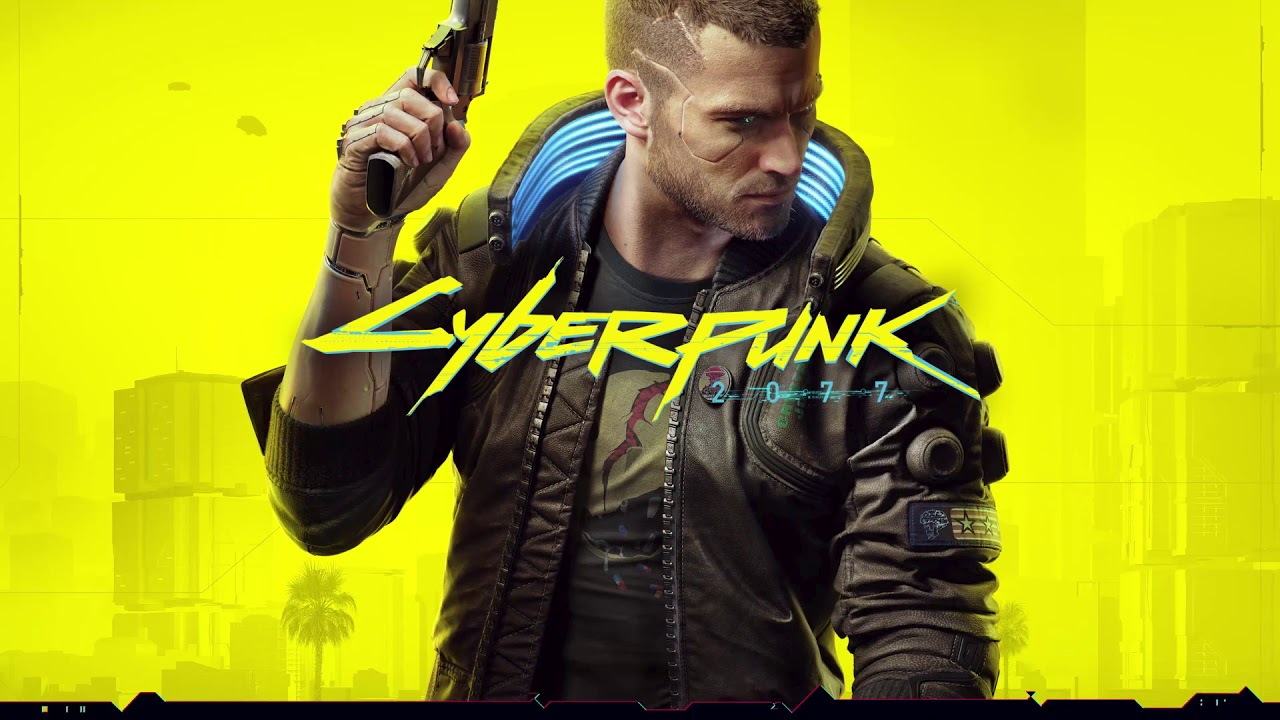
Cyberpunk 2077 is a role playing game (RPG) from CD Project Red, the same developers as The Witcher series. It had a rocky start but has since become a standout, particularly its immersive world, strong exposition and thought-provoking side quests.
Cyberpunk 2077 is a first person RPG using a similar ruleset and setting to the eponymous tabletop RPG. You play as V, a citizen of Night City, a pseudo-San Francisco or Los Angeles. V witnesses the murder of a megacorporation’s owner during a heist gone wrong. Forced to embed a stolen chip in his head while fleeing, V discovers it contains the personality and DNA of the long-dead rockstar and terrorist/freedom fighter, Johnny Silverhand. Now V must solve this mess one way or another before Silverhand takes over his body and mind.
Silverhand is V’s ever-present “lancer” and appears at pivotal moments to provide his perspective. While his self-confidence and aloofness give him superficial charisma, Silverhand is a self-righteous, narcissistic psychopath. You must decide whether V agrees with his single-minded anti-corporation and anti-establishment views, sympathizes with his deeply buried vulnerability or finds his incessant criticisms grating.
Just in case you missed the copious marketing for Cyberpunk 2077, Keanu Reeves provides Johnny Silverhand’s voice and likeness. Silverhand is the opposite of Reeve’s usual humble, softly spoken and slightly vulnerable protagonist. This typecasting sometimes detracts from Silverhand’s intended purposes: a constant reminder of V’s impending doom and a skewed moral compass fitting for an immoral setting.
Mechanically, Cyberpunk 2077 plays like most other RPGs and combines the best aspects of others. Cyberpunk 2077 uses a Witcher 3-like vision mode to scan for clues or interactable objects. The hacking and stealth feel like Deus Ex, although without the omnipresent paranoia. While it lacks police chases, it has the car driving and theft of Grand Theft Auto. “Braindances”, replaying people’s experiences, are similar to watching three-dimensional recordings in Tacoma.
The character advancement options can create unique or, in most cases, derivative characters, from stealthy, handgun-wielding assassins like John Wick to muscled, baseball bat- and minigun-wielding tanks like Arnold Schwarzenegger’s Terminator. Higher-end abilities are potent, fueling power and dominance fantasies.
Cybernetic augmentation is also vital. V starts with basic enhancements such as eyes that can zoom and a computer in his head to view mission briefings and act as a mobile phone. Early enhancements provide additional bonuses while later ones grant new forms of movement, powerful weapons or other surprises.
However, Cyberpunk 2077 goes much further. Cyberpunk 2077 uses cybernetics as a powerful exposition tool in a world where technology surpasses flesh and suppresses individuality. The alien-like dehumanizing enhancements to members of the Maelstrom gang, near interchangeable golden-skinned hotel attendants or the subtle, fashionable enhancements of the elite instantly communicate much about other characters without unnecessary dialog or explanation. Think clothes that you cannot easily change.
The residents of Cyberpunk 2077 even have slang for cybernetics: chrome. It has other jargon, too. People have “chooms” instead of buddies, pals, mates or bros. Only “gonks” (idiots) would rely on “deets” (details or information) that are not “preem” (premium or good). You get paid in “eddies” (eurodollars). The copious voice-acted dialog weaves them into conversations allowing players to infer their meaning and connotation.
Cyberpunk 2077‘sworld-building is broad and deep, and the internal consistency adds realism and believability. The frequent in-game news bulletins, for example, portray a dystopian, corrupt, technologically-dominated future similar to Robocop or Blade Runner. Amidst constant and desensitizing advertisements, radio and TV personalities openly call out the elite’s hypocrisy and power games while relishing the schadenfreude. In-game tobacco advertising has warnings probably only to comply with real-world laws.
The writing continually enforces the setting’s hypercompetitive and unforgiving nature. NPCs and factions have separate and consistent motivations, and V is usually just a tool for their advancement. A small child says your boxing opponent killed their father. Is it true or just a ruse to increase her betting earnings?
The layers of Night City’s neon lights distract from the copious, uncollected trash. The metaphor reflects how the razzle-dazzle barely hides society’s underlying malaise.
Even V’s little flat has no kitchenette. Instead, there’s a vending machine peddling whatever junk food the corporations of the moment deem fit while advertisements sprout insincere warnings about eating organic food.
Cyberpunk, as a genre, has always been more than an aesthetic or bucket for near-future science fiction. It is an avid social commentator, warning that compassion and ethics must bound and guide progress.
Cyberpunk 2077‘s world takes the ideals of right-wing political groups to absurdity. Guns are so prevalent that you can buy plastic, disposable ones from vending machines. The government merely provides services that corporations find unprofitable. Laws exist not to serve or protect society but as blunt instruments of the powerful or as proxies for corporate wars. Society is increasingly stratified. Eighty hour work weeks and forced cybernetic enhancements are considered reasonable. The natural environment crumbles, a necessary price for technological advancement and profit. As one in-game shop owner laments, open expressions of sexuality are considered a social menace, but we must accept murders on every street corner.
The world of Cyberpunk 2077 is different enough to the real world to avoid direct comparisons but is close enough for commentary to be relevant. Its cars are a good example. While there are analogs to real-world brands, all the makes and models are different. Many have a single headlight or brake light and no seatbelts, minimizing safety features to reduce cost or maximize aesthetics. Their barcode-like number plates are for computers to read, not humans. Cars lack indicators, showing a lack of empathy.
Cyberpunk 2077‘s setting is faithful to the 1980s roots of its genre. For example, Japanese corporations were ascendant in the 1980s. Many in the USA feared the conquered would become the conqueror, like in the second Back to the Future movie, and Cyberpunk 2077′sAsaka megacorporation realizes this.
However, some predictions diverged from subsequent real-world advancements and trends. Instead of adding credibility by incorporating forecasts of the future, these now further segregate the game’s setting from reality. Paper magazines with animated pages, for example, hijacked something familiar in the eyes of someone from the 1980s, showing technology’s subtle and insidious progression. However, paper magazines are becoming anachronisms, replaced by purely electronic versions. Much of the Cyberpunk 2077‘s music is 1980s-like electronic and synthpop and not the more urban hip-hop.
Thematically, Cyberpunk 2077‘smain storyline deals with questions of identity and legacy. V has to work out what to do with his (or her) remaining time. Does V go for one last grand heist, allow Silverhand to finish what he started or choose quiet life while still V? Does V rebel against a world where individuals rarely affect meaningful change, finding value in the attempt and the lives touched along the way? Multiple endings provide V with some choice about how to answer.
Beyond the unique premise offered by the setting, the storyline is suitably grand. It is unmistakably cyberpunk and could not exist in any other genre. Each step provides satisfying answers and more yearning questions. It does not always follow the “show, don’t tell” rule of storytelling, but that is more of a guideline.
However, Cyberpunk 2077‘s numerous side quests are far more interesting. For example, the series of Delamin quests deal with artificial intelligence (AI), what rights it has and how it interacts with humans. If an AI creates a copy of itself, are the two copies still one individual, or are they parts of the whole? In the game, AI has displaced many traditional human-only roles like writing novels or fashion design. Should humans fear what AIs can become?
Another recurring but subtle theme is religion and spirituality. It can be a dangerous subject, potentially offending many. However, Cyberpunk 2077 is a world where braindances provide visions as vivid as any religious miracle, moral guidance is greatly needed, and technology offers salvation more tangible than any deity’s promise.
The Sinnerman quest line is the game’s most confronting. A prisoner sentenced to death finds religion. He elects crucifixion and wants his experiences recorded as a braindance for fellow Christians to experience or endure. In a setting with commonplace and fetishized violence, this moment drove introspection more than any other in the game.
Meanwhile, a neon billboard shows a Jesus-like figure but wreathed with network cables instead of a crown of thorns. Do you want to confess your sins? Just visit your nearest automated “Confession Point” vending machine. Buddhist monks ponder whether virtualizing people is compatible with reincarnation or whether an AI can suffer. Tarot cards and imagery not so subtly steer V. AIs are god-like in their stature, facelessness and echoing voice.
Following the RPG trend, V has companions that provide side quests and potentially lead to romance options. Different companions fulfil different sexual orientations, including one that is trans, supporting modern sensibilities and inclusion.
However, some of the impactful companions share genuine vulnerability, contrasting with the setting’s uncaring and brutal reality. Letting kids win at an augmented reality shooting game, for example, has a delightful mundanity and affection that contrasts with the setting’s cynicism.
Cyberpunk 2077 has its share of imaginative and novel quests and environments. One involves SCUBA diving in a flooded town while reminiscing about the displaced inhabitants. You can ride a roller coaster, pilot a tank or riff a guitar solo while playing in a band.
References to other cyberpunk and science fiction media abound, showing light, fourth-wall-breaking humour. You can purchase Kaneda’s red bike from the anime Akira or the Rolls Royce-like FAB 1 from Gerry Anderson’s Thunderbirds. You can find advertisements for mnemonic couriers, similar to Keanu Reeve’s Johnny Mnemonic. The famous “tears in rain” quote from Blade Runner is a memory in the columbarium. One quest pays homage to Portal, using GLADoS’s voice actor and lines. The “baby in a bottle” from Death Stranding appears, and there is even a dig at Star Citizen‘s long development time.
Graphically, Cyberpunk 2077 is beautiful, particularly with ray tracing. I took screenshot after screenshot as the cyberpunk genre’s requisite neon signs and holographs dominated the skyline. Bright lens flares are common enough to make Michael Bay jealous. The sparse but hardy vegetation and red earth of the hills outside Night City resemble postcards of the US midwest. Rain is wonderfully dreary and leaves humble, reflective puddles.
Cyberpunk 2077 uses a “film grain” effect and vignette over its visuals. Like the gold filter used in the Deux Ex series, this effect makes the game visuals distinctive and slightly unreal. It also helps cover a few errant pixels caused by NVidia’s DLSS or similar compromises for the more demanding ray tracing.
The main criticism of Cyberpunk 2077 was the bugs present at the launch. Some were meme-worthy and game-breaking. These problems are common in the industry, especially in large, open-world RPGs or anything developed by Bethesda. However, recent updates have vastly improved Cyberpunk 2077’s quality, and my 100-hour playthrough starting on version 1.3 was practically glitch-free.
Some feel the sidewalk-infesting crowds should be persistent or that they add unnecessary clutter. Previous games eschewed clutter to reduce rendering costs and highlight the environment’s important parts. However, along with the omnipresent neon and holographic signage, the game intentionally visually assaults the player. It takes time in Cyberpunk 2077 to mentally adjust and filter out the noise of Night City, just like its inhabitants do.
Others complain the setting is unrealistic, a caricature of near-future USA. For example, the populace would rebel against corporations or that the claimed murder rate is higher than the birth rate. Debating sociology or economics is beyond the scope of this review. However, the setting provides opportunities where no one is uniquely or consistently good or evil, creating opportunities to side with or against anyone. The setting’s details are intentionally vague, meaning realism can be hand-waved or retrofitted if needed.
Similarly, the world of Cyberpunk 2077‘s technological inequality means MacGuffins and opportunities are plentiful, but society is still familiar. For example, the head of a megacorporation could live forever, while most live regular if not brutal lives. Meanwhile, the asymmetry offered by hacking allows a prodigious youngster to threaten the same megacorporation.
Some criticize the game’s mechanics as shallow. For example, having crimes without pursuing police or car chases feels unrealistic. However, this does not materially harm the game. It only means Cyberpunk 2077 is not Grand Theft Auto. People would have loved to see working trains for a deeper immersion. However, the development effort required is likely not worth the minimal increased sales or goodwill.
The sizable modding scene already addressed issues like police chases and working trains, anyway. Like Skyrim and other RPGs, many strive to fill the gaps or improve the game.
The most significant criticism I had was the awkward keyboard and mouse controls for driving. However, the racing side quests are forgiving, crashes are only minor annoyances, and you eventually compensate for the poor control scheme.
Like many long RPGs, Cyberpunk 2077 is a game you stop playing rather than merely complete. A game this long and involved becomes familiar. Leaving it is like ending a beloved television series.
CD Project Red has faithfully recreated the table top RPG’s setting in both form and spirit. It is fertile ground for many more engaging stories and insightful commentaries about modern social, economic and technology trends. It is a pity that Cyberpunk 2077‘s initial launch was so poor. Many will only recall the game’s early failures and not its world and potential for so much more.
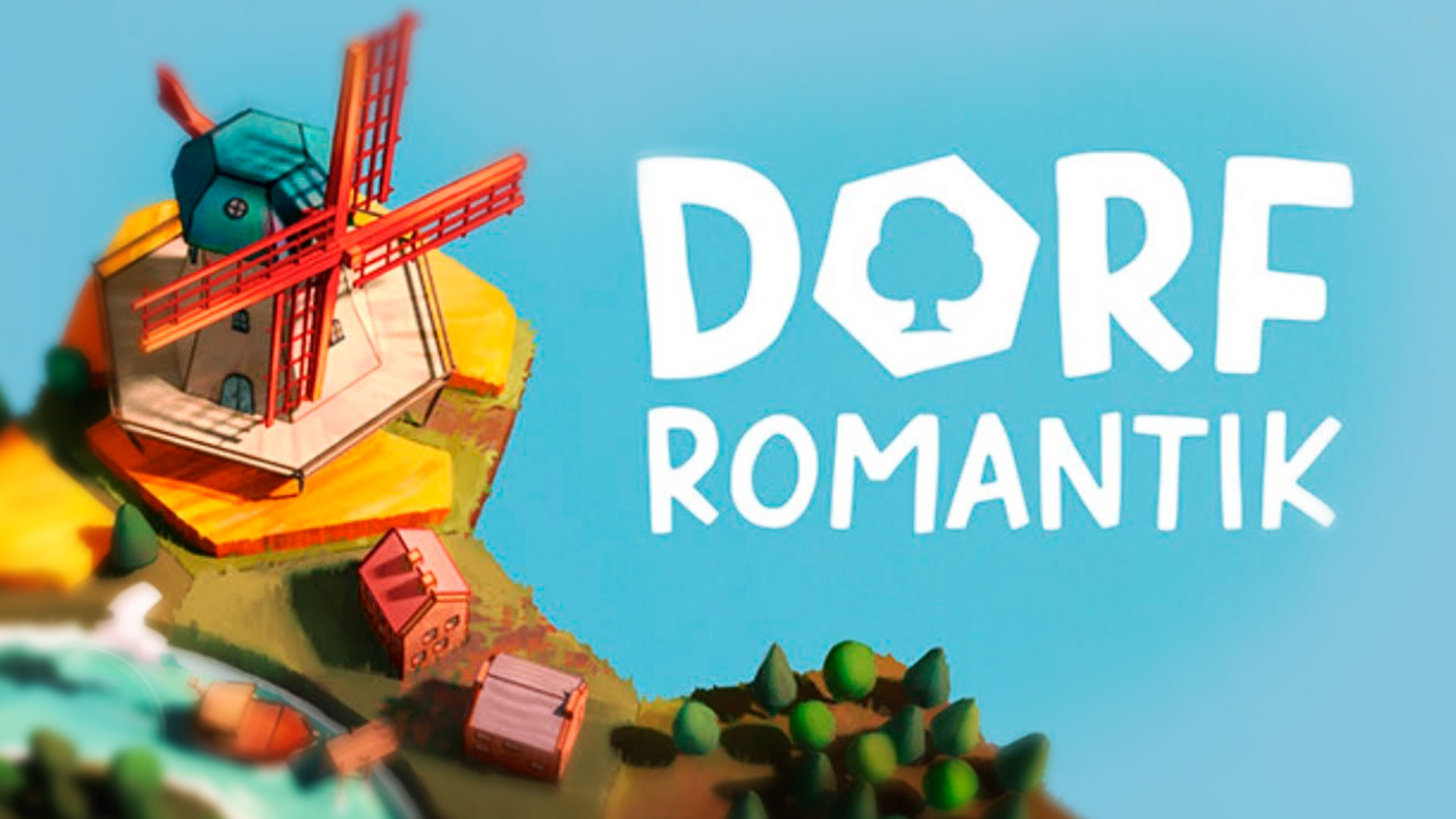
Dorfromantik, German for “romanticized town”, is a serene, relaxing tile placement game developed by Toukana Interactive. It follows on from their similarly causal previous games, like Townscaper.
In Dorfromantik, the player draws hexagonal tiles from a stack and places them adjacent to already played tiles. Each tile edge has a terrain type, such as buildings, forest, fields or plains. You gain points by aligning edges with identical terrain. Points track your progress and can add more tiles to the bottom of the stack. The game ends when the tile stack is exhausted, so the more points you accumulate, the longer you can play.
Besides passing the time and sense pleasure, Dorfromantik‘s enjoyment comes from having just enough of a challenge. Initially, the challenge comes from the randomized stack of tiles. Tiles with train tracks and water further restrict tile placement. Later, some tiles may give quests that give additional points for runs of identical terrain. Ghost tiles may appear that, when built on, reveal unique tiles with extra bonuses.
Long term replayability comes from achievements, such as tracking tiles placed of each type or the longest continuous train tracks, and different play modes, such as “creative” with no stack limit.
Two design choices make Dorfromantik stand out. The first is its uplifting, relaxing visuals and sound. The graphics are stylized and colours oversaturated, featuring picturesque country towns, pine forests and golden wheat fields. You get subtle animations like birds flying overhead or boats steaming down gently flowing rivers as you build out the landscape. The soundtrack is also perfect, with soft dynamics in major keys. You cannot help but smile during the first few games.
The second design choice is the total lack of pressure. There are no time limits, no need to pause the game, and you can switch to another game or start a new one without losing progress. You can undo moves, but mistakes are hard to pin down with the randomized tile order and not individually costly. There is no AI or human opponent to outsmart you. You will not have moments where you want to punch the monitor.
Unfortunately, you see most of the game’s mechanics in your first game, taking about an hour. The lack of variety or progression may dissuade some people from purchasing the game for its undiscounted price. While there are strategies to maximize points, the randomized tile stack constrains you. There is no multiplayer option.
However, if you want something meditative to wind down or want to relax while enjoying a sensual but minimal challenge, Dorfromantik is your game. It is for the player who enjoys making a gorgeous landscape over intense strategy.
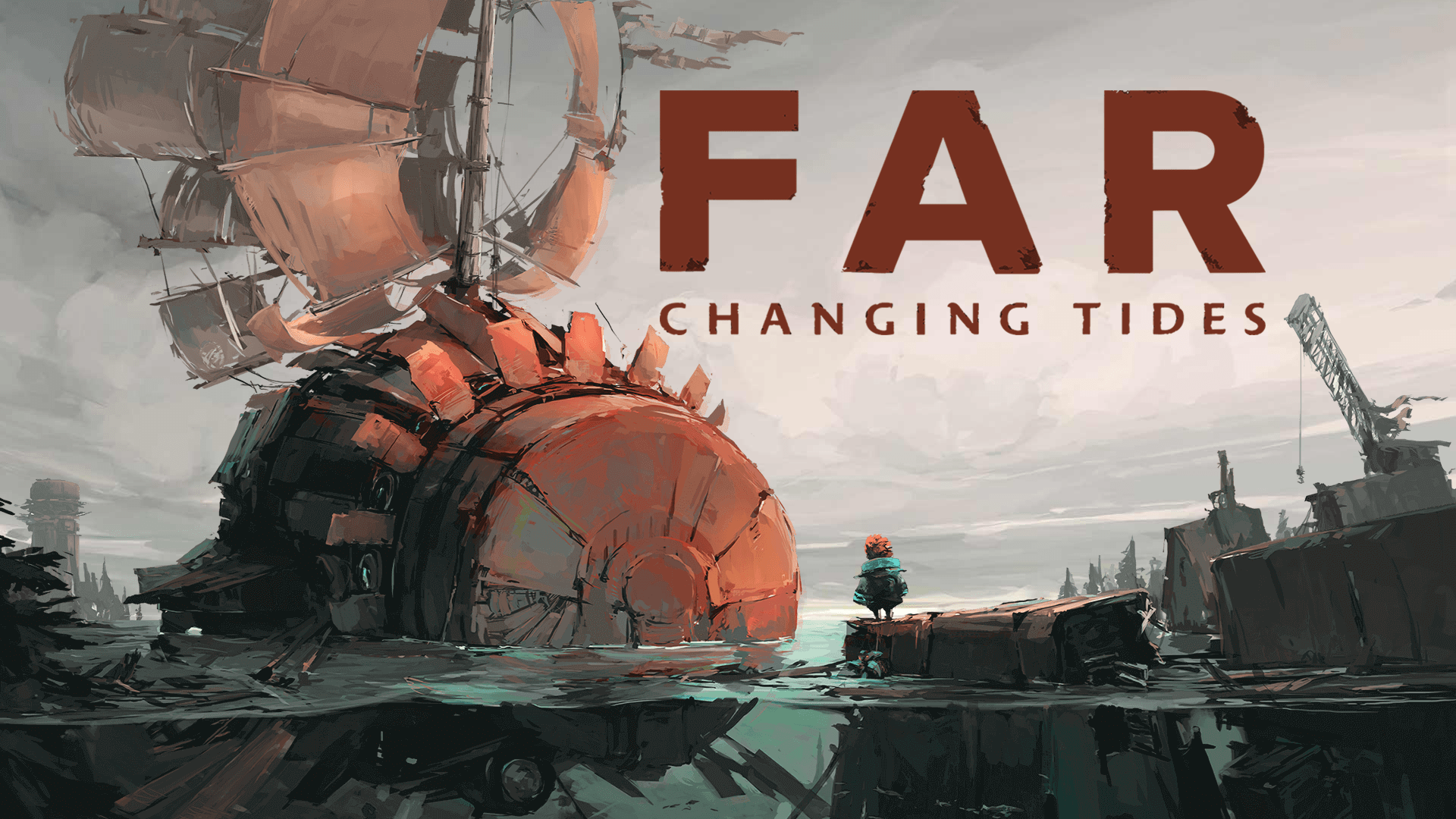
FAR: Changing Tides, a casual puzzle platformer developed by Okomotive, is the sequel to the popular FAR: Lone Sails. Set in the same world, you play a child on a sea journey whose purpose gradually reveals itself.
Most of the game’s controls and puzzles are straightforward and deducible by trial and error. Buttons or actionable items have a distinctive cyan colour and, later in the game, yellow lights direct the player’s focus. While movement feels unrestricted, most areas present only a few actual options to the player. Getting stuck is usually caused by insufficient exploration or wrong assumptions. “Breaking” a puzzle or losing required items is impossible.
The puzzles’ goals are usually progression, usually travelling from left to right. However, sometimes solving puzzles improves your ship, such as adding an engine or a new mode of transport. Sometimes they hint more about the world, such as revealing a diorama or a painting.
The game is short, containing about five to six hours of playtime. While that may dissuade some from its undiscounted price, the design of FAR: Changing Tides is economical and efficient. Mechanics are introduced, practised then the game moves on without overdoing them. Lengthening the game would not necessarily have made it better.
As with the previous game, FAR: Changing Tides separates puzzle areas with long stretches of travel. Your ship’s controls are puzzles themselves, like tacking the sails against the wind or powering the engine. Once the controls are mastered, these travel stretches give you short breaks, temporarily immersing yourself in the world via the backgrounds and soundtrack.
FAR: Changing Tides tells its story by implication and subtle reference. The flooded world drowned humanity’s cities and towns, but the strewn detritus shows the flood’s ferocity and suddenness. The unnamed protagonist encounters no living humans, only hints of their existence.
FAR: Changing Tides continues the retrofuturistic “dieselpunk” feel of FAR: Lone Sails, putting 1930s through 50s aesthetics on advanced technology. Desaturated colours and dull, rendered plaster buildings are typical of that era and make the world feel bleak. The rusting carcasses of humanity’s leviathan mechanical creations dot the landscape. Some are almost organic, and you can hear a faint heartbeat when nearby.
This desolation contrasts with the game’s naturalistic moments. Nature continues. The deer, birds and sea life are oblivious to your and humanity’s struggles. Glimpses of bioluminescent jellyfish or rays through your ship’s glass bottom or distant whales are wondrous moments.
FAR: Changing Tides, as implied, is about the younger generation reacting to contemporary issues like climate change. The protagonist is a child, forced to undertake a journey to build a better life. He or she finds toys like wooden stags, music boxes and stuffed ducks but cannot play with them, forced to grow up early to confront older generations’ hubris.
The protagonist demonstrates how the newer generation views the world. He or she does not blame technology – it is unclear in FAR: Changing Tides what caused the flood. Technology is something the new generation masters early and is vital to survival. The ship even looks like one a child might draw. The ending shows the new generation’s focus on each other and subversively ties it back to FAR: Lone Sails.
However, FAR: Changing Tides could have appealed to our senses more. While the game’s engine has moved from predominantly 2D to wholely 3D – and shows it off at the end – much of the extensive backgrounds are simple and blandly textured. The developers are going for a stylized, cheap-to-develop aesthetic. However, desaturated does not mean uninteresting. The soundtrack adds emotion and context to otherwise empty moments but lacks memorable motifs or consistency.
The casual puzzle platform genre also has limits. Its puzzles are too simple for someone wanting a challenge. The storytelling is too subtle for those looking for clear themes. Experienced gamers enjoy these short diversions but the gaming landscape continues to expand and diversify beyond puzzle platformers.
That said, FAR: Changing Tides is a worthy successor to FAR: Lone Sails, developing its novel vehicle operation mechanic enough to feel different but still comfortable. Those looking for a casual but not overly taxing game will enjoy it, especially if you fondly remember FAR: Lone Sails.
Raised by Wolves is a science fiction drama series developed by HBO and streamed on HBO Max. Famously proposed by Ridley Scott, it was intended as an introspective, almost arthouse masterwork.
The show’s premise is two androids, Mother and Father, crash land on planet Kepler-22b. They are atheists, fleeing an Earth ravaged by a war between atheists and the Mithraic, worshippers of the deity Sol. The androids carry human embryos, intending to start afresh. The first season opens as Mother, Father and Campion, their one surviving child, juggle the impending arrival of the Mithraic ark, survival and learning the mysteries of their new world.
Early episodes of season one establish the characters and the bleak but not inhospitable world. The later episodes focus more on the Mithraic and emerging mysteries. Flashbacks expand characters’ backgrounds, such as Mother’s interaction with her creator, and develop the setting. The second season introduces an atheist ark.
While there is a large ensemble cast, Raised by Wolves focuses on three main characters: Mother, Campion and Marcus, an atheist who replaced an ark crew member to escape Earth. Each is the focus of a theme.
Mother explores the ethics of artificial life, along with Father and later Vrille and Grandmother. She struggles with the human demands of raising children and defending atheist beliefs and her in-human capabilities as a necromancer, a military android impervious to most weapons and capable of gruesome and graphic destruction. She is the target and instrument of humanity’s negativity. Most humans see androids as disposable tools in Raised by Wolves. However, Mother has the firepower to demand respect.
Mother also contrasts with Father. They invert the stereotyped sexual roles, unlike Marcus and his partner. Mother is the protector while Father is compassionate. She is single-minded and devoted to the atheist cause. He is more pragmatic. Both actors give great performances, personifying a slight unease amongst humans without the autism-like portrayals of yesteryear.
Campion explores self-determination. Without the biases from old Earth, Campion views Mother’s atheism and the Mithraic religion with fresh eyes.
Campion is inclusive, as expected by contemporary culture. He eventually admires the Mithraic optimism and dedication but rejects their exclusory dogma. He concludes androids have souls and deserve an equal place with humans in society, although the story arc with Vrille feels superficial and rushed.
Marcus follows the most circuitous route, exploring the impact of blind faith and the dangers of relying on things you do not understand. Raised as a child soldier, Marcus’s experience and trauma always emphasized pragmatism and survival.
After arriving on Kepler-22b, Marcus is subject to apparently religious revelations and visions. Unprepared, he succumbs and villanizes Mithraism. We slowly learn the mysterious force guiding him may not be coherent or benevolent, mainly by looking through his eyes.
All three characters explore the meaning and implications of family. Whether it be Campion’s relationship with his android “parents” or Marcus’s love for his adopted child, the characters constantly weigh up competing demands. Mother and Father have similar goals but their different approaches drive tension. It shows how parents’ histories impact their children but also childrens’ resilience.
Unfortunately, while introducing many wonderful opportunities to examine these themes, Raised by Wolves comes to few conclusions or answers. The resolutions are either driven by short term goals like survival or complicated by the wider deus ex machina.
Raised by Wolves relies heavily on symbolism and imagery. However, the show avoids offence by not veering too close to any real-world religion or entity and keeping references varied.
Abrahamic religious symbolism is frequent, like serpents, virgin birth, resurrection, the tree of knowledge, the ark concept and Mother’s crucifixion-like flying pose. This imagery gives the show a tinge of credibility and biases our initial reactions subtly, particularly Western audiences.
Other references invoke a romanticism for myths and legends. Mithraism was a religion observed in the Roman Empire before Christianity, and Sol (the sun) was one of its deities. Mother feeding her embryos is reminiscent of a wolf feeding her cubs. This is just like the mythical founding of Rome, where a she-wolf suckled Romulus and Remus, and is a direct reference to the show’s title.
Lamia, Mother’s other name, is the name of a child-eating monster from Greek mythology, and who could also remove her eyes. This dichotomy questions Mother’s motives, especially as she makes a few dubious decisions in season one.
The use of symbolism goes on. The message cards left by ancient humans are traditional symbols of chance or luck. Mithraic vehicles and clothing are always white, a colour of purity and good contrasting with its genocidal view of atheists. The Mithraic dodecahedron is more reminiscent of science fiction, reminding us this is futuristic.
The technology in Raised by Wolves is also magic or mythic, capable of creating life-like human androids, holographic displays, exhaustless flight and immersive, realistic simulations. Interaction is through voice or hand gestures. There are no buttons, dials or switches and nothing mechanical like gears, levers or wheels. Even medicine is automated. Technology falls into the “uncanny valley”, where objects are recognisable but unusual enough to be unsettling. Its presence constantly removes the characters from the present day.
Raised by Wolves is a stream of “Genesis moments,” as if humanity is playing God by creating and manipulating life. Technology in Raised by Wolves is almost organic, like androids’ fuel blood, the internals of the Trust or repairing Grandmother. No character is a technology expert. While it can be damaged or destroyed, the show’s technology does not need regular maintenance. When we see repairs, they are done by a medic, not by a technician. Perhaps humanity’s utilitarian view of its life-like technology mimic’s the entity’s view of humanity.
Unfortunately, both seasons sometimes seem directionless. The character interactions and world-building consume a lot of screen time. In a world where Raised by Wolves’ contemporary shows demonstrate strict economy, Raised by Wolves either gets frequently distracted or focuses on seemingly less important or relevant points.
Raised by Wolves also abuses strawmen arguments by asserting that atheists would always create new gods to follow, like the Trust in season two. Rather than being a benevolent dictator, like the minds of Ian M. Bank’s Culture series, the Trust is manipulative and insincere. Without the Trust, the second season depicts atheists as ill-disciplined rabble and incapable of populating a new world. Perhaps the writers wanted to be even-handed, but they missed the mark if the writers intended metaphors for real-world religious conflict.
It is almost as if Raised by Wolves is a future Mithraic bible dramatization. It deemphasizes details the unseen author feels unimportant and focuses on parables to emphasize subtle points of wisdom.
Raised by Wolves frustrates me. It deals with relevant, timely themes in a novel setting that allows safe exploration. However, the sometimes meandering plot, reliance on strawman arguments and situational conclusions mean it does not realize its potential. Perhaps there is more to come, which will tie it all together, or its point is there are no easy answers to difficult questions.
However, Raised by Wolves excels at promoting thought. The symbolism and imagery are deliberate and the layers deep. I find myself constantly reevaluating what I watched. Maybe its real achievement is promoting discussion into its real intent and meaning via our introspection.
While I did not watch or follow it, I am familiar with Critical Role’s phenomenally successful live stream Vox Machina like most gamers. Amazon Prime’s animated adaptation promised to bring the familiar characters and adventures to a different screen while remaining faithful to its light-hearted but adult premise.
I find using the term “adaptation” strange. It acknowledges that what works for a Dungeons and Dragons (D&D) live stream may not work for an animated series. They are different media.
For example, D&D’s combat mechanics have always been abstract, focusing on die rolls and points systems to represent to tos and fros. Any narrative is emergent, like a lucky high dice roll or a string of unlucky low ones. D&D’s mechanics for hitting secret weak points or fighting internal struggles, both present in the show, are absent or poor.
The enjoyment of D&D comes from the interplay between friends sitting around a table. The players inject modern attitudes and sensibilities into a medieval-like fantasy world that lacks real repercussions for the players, if not their characters. D&D allowed players to be superheroes before superheroes were cool.
Unlike traditional media, D&D players save the world not because the story demands it but through agency and collaborative story-telling. While D&D’s designers biased the mechanics toward the players, failure is often only a single dice roll away. Real-life intrusions also mean players sometimes need to be absent, like Pike’s pilgrimage.
That said, Vox Machina‘s live stream was always partially scripted. Preparing songs or inter-player interactions is, otherwise, difficult.
These factors put the show The Legend of Vox Machina (or just Vox Machina) in an enviable and challenging position. Enviable because its huge audience will enjoy the new perspective on familiar characters and events. The group’s adventures already contain narrative highs, twists and lows.
However, its position is challenging because combat in most media is a narrative tool, not the central focus as in D&D. Narrative twists in D&D, like betrayal, need to be simple and telegraphed to see them amongst distracting banter. Players relish tropes at the game table that can be tired and overused in traditional media.
On the whole, Vox Machina delivers. The players, an extended “five-man band”, work through two story arcs, with the Briarwood arc being the longest. There are enough turns to keep the audience guessing and subtle nods to the live stream for long time watchers to feel nostalgic, like problems with opening doors.
Vox Machina has had to divest itself of anything potentially trademarked or copyrighted. Gone are the signature D&D spells and abilities and Scalan’s lewd songs. However, the show suffers little for their loss. Divorcing it from pop culture and D&D’s rules make the show more accessible and timeless. Compressing forty hours of D&D down to six also forces the show to focus.
The main problem with Vox Machina is its contemporary fantasy animations, like Arcane, offer far deeper thematic treatment. While humanizing the Briarwoods and Percy dealing with the overwhelming desire for revenge are notable, the show’s roots in D&D keep it superficial. It mainly falls back on the milquetoast “strength of friendship”.
Vox Machina’s D&D roots also constrain character development. Percy’s revenge arc and a short, shallow romantic plotline notwithstanding, the characters exist as escapist fantasy – the tabletop equivalent of sports stars – and not tools in a storyteller’s toolset. Other tabletop role playing games have better mechanics to capture and tell these stories.
However, Vox Machina heralds a new acceptance of tabletop role playing games like D&D. Gone are the 1980s when special interest groups ignorantly decried it as a bastion of satanism and witchcraft. Several unmemorable D&D movies came and went. With the increasing “nerdification” of popular culture, D&D has gone from lounge rooms to Twitch streams to standing shoulder-to-shoulder with more accepted media.
As someone that has enjoyed tabletop games for over thirty years, I would have loved to share many of my adventures. While many fantasy tabletop adventures resemble Monty Python more than Tolkein and science fiction tabletop adventures resemble Douglas Adams more than Asimov, they are still communal experiences in popular culture.
Vox Machina gets to the heart of what makes D&D great. It is not using signature spells or characters from published settings. It is channelling the camaraderie and humour of friends sitting around a table without degenerating into farce. Vox Machina teases fourth wall breaks without doing so, having fun without self-deprecation.
Vox Machina is a good show and a great adaptation. Its D&D roots both propel it with momentum and enthusiasm and constrain it from anything too deep. Existing fans will find it enthralling, non-fans possibly less so, but its fast pace and accessibility will enamour it to many.
Star Trek: Lower Decks, an animated series available on Amazon Prime Video and Paramount+,is Star Trek’s attempt to tread the well-worn path of self-deprecation. It pokes fun at the seemingly pretentious and self-important Star Trek: The Next Generation and Star Trek: Deep Space Nine era.
Other recent Star Trek shows like Discovery or Picard have leveraged technology to create gorgeously detailed ships, photo-realistic sets and better special effects. However, Star Trek: Lower Decks’ simple animation style does the opposite, making it disarmingly accessible for an audience that still considers animation a vehicle primarily for children or comedy.
Similarly, while those with a comprehensive recollection of the earlier series will find many subtle and humorous references, Star Trek has permeated the Western cultural consciousness enough for most to understand the settings and premises.
Star Trek: Lower Decks segregates itself from the franchise’s previous incarnations from the first scene. The credits, replete with the characteristic blue font on a starry background and brassy theme song, show an uncharacteristically unheroic U.S.S. Cerritos fleeing danger or screwing up. A star fleet ensign drinks blue Romulan whiskey when on duty, “lampshading” that it is not the cannon green Romulan ale.
Star Trek: Lower Decks is not about “boldly going where no one has gone before”. The U.S.S. Cerritos, Spanish for an uninspiring “little hills”, does routine and less glamourous “second contact” missions. The main characters are not on the glamourous, charismatic and high-stakes bridge crew but the ensigns who perform thankless, routine maintenance and sleep at the ship’s rear.
The show humanizes the crew by focusing on flawed but relatable characters. We follow Boimler, who is bookish and obsessed with promotion. Tendi is a naive but optimistic and brilliant scientist working in medicine. Rutherford is an engineer who genuinely loves his work, oblivious to all else.
However, Mariner steals the spotlight. She is a skilled Starfleet officer but constantly rebels, whether by the subtle rolled-up sleeves, smuggling contraband, or openly disobeying orders.
The writers intended her to represent experience and savviness chaffing at Starfleet’s rigidity and regulations. She yawns at mission briefings and breaks more rules than she follows.
Perhaps Star Trek: Lower Decks is trying to be relatable and say that there is still a place for the rest of us in a franchise full of over-achievers. Talent and intelligence are nothing without wisdom and cunning.
However, Mariner is hardly an underdog. Her uncanny ability puts her on a level above most and the U.S.S. Cerritos’ captain protects Mariner from any real consequences of her actions, tacitly glorifying her insubordination. These threaten to change her character from a relatably cool rebel to an unbelievably competent “Mary Sue”. Why create such a character?
Star Trek: Lower Decks is all about status. Are the privileges of rank deserved? Is there a pecking order between those of the same rank? Would Starfleet be a strict meritocracy, as cannon implies, or would the attractive and charismatic but less able rise to the top?
Mariner constantly exposes and stresses the established hierarchy. For example, she practically ridicules Boimler in the episode “Envoys”, showing savviness beats knowledge. However, the Riker caricature first officer humbles her in the following episode by showing unforeseen skill and wisdom.
Mariner is the antagonistic foil to the other main characters. She berates Boimler for his bookishness and insecurity, is the pessimist to Tendi’s optimism and the leader to fill Rutherford’s vacuum of purpose.
Unfortunately, Mariner’s role sometimes lessens the show with too much unresolved and unnecessary interpersonal drama. She constantly dismisses her competency and, by doing so, others’. A good example is Mariner revealing she actually listened to the mission brief in the episode “Moist Vessel” (an unnecessary double entendre that will elicit an immature giggle from the intended audience) when she saves the day after arguing with the captain most of the episode.
The first series tries to give some thematic insight, such as dealing with the ecological and social implications of destroying an errant moon in “Cupid’s Errant Arrow”. However, the first series’ pacing and structure draws more from sitcoms, focusing on irony and absurdity, and lacks Futurama’s satireor Orville’s heart.
Sitcoms rely on characters remaining consistent and avoiding change. However, stagnation frustrates. Mariner’s relationships and past need confronting. Boimler needs to grow past his insecurities into the officer he aspires to be. Tendi needs the self-confidence to realize her brilliance. Rutherford requires the self-awareness that he is more than an excellent engineer.
Thankfully, characters start to develop in the second series. Boimler gets his revenge for “Envoys”. Rutherford and Tendi gain respect and leadership opportunities. The ensigns are paired differently, showing different parts of their personalities. Mariner relaxes from the constant antagonist role.
The second series also examines its source material and themes more closely. It contrasts the U.S.S. Titan’s bravado and militarism with the U.S.S. Cerritos’ dedication and determination, mirroring Starfleet’s identity crisis. It depicts the Pakleds as both comically naive and dangerously unpredictable, a brilliantly relevant and thematically helpful portrayal. Appearance and charisma lose out to effort and ability in “wej Duj”. The final episode cleverly contrasts the “Lower Decks” experience for crews from different races.
The highlight vocal performance is Jeffery Combs as Agimus in the episode “Where Pleasant Fountains Lie”. The actor who portrayed Weyoun in Star Trek: Deep Space Nine and Shran in Star Trek: Enterprise shifts effortlessly between menace and insincere manipulation.
The best thing about Star Trek: Lower Decks is thatit treats the franchise with both satire and respect. Star Trek has always been slightly absurd, where crew members are as likely to die from a Klingon Bat’leth as sentient ice cream. Unlike other Star Trek shows, Star Trek: Lower Decks leverages this absurdity to tell refreshingly different stories from different perspectives.
Star Trek Picard, or just Picard, is a science fiction series streaming on Amazon Prime. Its premise is that the Romulan star threatens to go supernova and destroy the Romulan homeworld. The Federation offers to help and constructs a fleet of transports to resettle the populace. This offer would save the majority of Romulans and potentially heal the animosity between the Romulans and the Federation.
Of course, things go awry. The transport ships mysteriously attack the Federation shipyards on Mars, destroying the transport ships and means of production.
So far, so good. It is a galaxy-impacting event worthy of the Star Trek brand and the eponymous now Admiral’s attention. The series also weaves in questions around the ethics of synthetic life, something suitably contentious.
However, the series immediately deviates from expectation. The galaxy blames the Federation for its woes. It forgot the supernova or that the Federation was also a victim of the attack. Far from showing its skill in diplomacy, compassion and problem-solving displayed during almost every Star Trek season and episode, the Federation turns inward and tacitly accepts the blame.
Jean-Luc Picard sulks in his chateau for fourteen years rather than showing the stubbornness and ingenuity evident throughout Star Trek The Next Generation (TNG). Instead of getting a ship or helping, something that takes a single call at the series’ start, he abandons both his cause and crew.
Even when Jean-Luc Picard returns at the series’s start, he is oblivious to his charisma, unwillingly tormenting characters like Raffi and Elnor. He forgets to respect and be patient with others, even scoring points with Federation Admirals when the old Picard would think strategically, building a trusting relationship.
Perhaps the writers felt a seemingly perfect character needed a fall to develop. It is hard to improve perfection. However, Picard’s blinkered self-righteousness endangers any pathos.
Meanwhile, examining synthetic life’s ethics promised much. Star Trek has a history of exploring what makes us human. The original series contrasted emotional humans with Spock, the logical Vulcan. TNG had Data. However, the series reduces synthetic life to a MacGuffin. The series would have lost little by substituting an alien race or a unique technology.
Picard, the series, wants to be the gritty, dark Star Trek for the new millennium, where we see every leader and public institution in shades of grey rather than the more straightforward “black and white” of yesteryear. Heroes tire from the impossible standards to which others hold them, and their faults are laid bare. The hopeful patience of the Federation has waned, as seen in other series like Discovery.
By contrast, while the almost perfection of TNG characters was unrealistic, TNG presented an aspirational version of humanity. While TNG often dealt with ethical issues superficially, it introduced them to a broad audience. While humanity faced challenges, TNG’s underlying themes were always positive.
Instead, this series seems obsessed with fan service. It provides a touching farewell for Data. However, while seeing familiar characters helps rekindle parasocial relationships, their age also shows the thirty years since TNG finished. TNG and the subsequent movies were fun and much loved. However, time moves on.
When not lounging in nostalgia, the series gets endlessly sidetracked. Picard’s companions invent gravitas in each episode by a rushed flashback, then deal with it by boarding themselves in their quarters to brood. Of course, they briefly exit their stupor to perform plot-dictated tasks.
Each character deserves more screen time to develop organically and subtly. Alternatively, consolidate characters. The writers could have combined Rios with Raffi or Jurati, for example.
Despite the complaints above, the series is enjoyable. The plot weaves unpredictably, taxing the viewer just enough, and leads to a suitable climax. The acting and special effects are what you would expect for such a series.
Patrick Stewart portrays perhaps his most memorable role well. His deep, resonant voice and slightly-British accent give him a disarming, reassuring authority and grandfatherly charm. However, Stewart appears awkward when expressing genuine emotion, like during the Raffi and Elnor character arcs. Picard’s emotions are most impactful when understated.
The series is at its best when dealing with the psychology and ruthlessness of Romulans. The early, slow-burn mystery is enticing. The series finally shows the terrifying potential of the Tal Shiar, the Romulan secret police.
However, the test of a work is whether it stands on its own. Remove the fan service and nostalgia, and I wonder whether anyone would have produced Picard. Add potential misinterpretation of or disrespect to its source material, and you have a contentious, polarising series.
The trailers for season 2 appear to continue the nostalgia trip, revisiting the “fish out of water” time travel trope from the admired movie Star Trek IV: The Voyage Home. Perhaps I am old fashioned, but the producers are treading dangerous ground.
Reclamation is a military science fiction novel set in the galaxy from the computer game Elite Dangerous. It follows Kahina Loren, the unfavoured daughter of an Imperial senator. A coup thrusts her out of her cloistered world into a storm of competing political and economic interests.
Drew Wager wastes no prose. The book moves quickly, only dwelling enough on any topic to push the reader forward. Character roles and motivations are quickly apparent. Description and background are minimal but vivid.
The book demands little from its reader. Other than the context setting, nothing relevant happens outside the reader’s attention or in retrospect. The reader always knows as much or more than the characters.
Reclamation is faithful to its source material, the Elite Dangerous lore and universe, while not confusing or overloading newcomers. The game’s archetypical ships appear, as do Coriolis starports, frameshift drives and the Federation and Empire. Much of the plot involves flying in and fighting these ships, just like in the game.
Reclamation also helps fill that yearning void in Elite Dangerous around lore. Elite hints at so much but shuns story-driven content in favour of letting players tell their own.
Reclamation is light on themes and subtext. There is some eventual recognition that violence is less effective than diplomacy. Those looking for introspection or dialog other than to hurtle the plot forward will be disappointed.
Characters develop little and are unnuanced. Kahina, the protagonist, is part anti-hero and part reader surrogate until some rushed character development at the book’s end. The supporting characters are shallow and functional, mainly helping the protagonist progress.
However, I enjoyed the conversations between diplomats and patrons, each dripping with insincerity and occasionally wit. It allowed Drew Wagar to be more subtle, contrasting them with the rest of the cast.
The book is a fast but light read, accessible to many. In the small but crowded military science fiction genre, it holds its own, focusing on an action-filled and weaving plot. Elite Dangerous players looking for lore will enjoy Reclamation, as will anyone looking for a novel version of an action movie. Someone looking for something more profound or character development should look elsewhere.




 The Single Player